
A major political controversy is unfolding in Alberta after Elections Alberta confirmed that David Parker, a prominent conservative political organizer linked to the pro-separatist Centurion Project, is refusing to co-operate with an ongoing investigation into the alleged misuse of the province’s confidential list of electors.
The investigation has triggered widespread concerns about voter privacy, political accountability, and the growing influence of separatist movements in Alberta politics. The matter has also drawn attention from Alberta’s privacy commissioner and the RCMP, turning what began as a provincial election issue into a broader debate about democracy, data security, and political extremism.
Chief Electoral Officer Gordon McClure publicly stated that Parker has refused to sign a statutory declaration confirming he would comply with Elections Alberta’s order to stop using the electors list. The declaration was part of the agency’s effort to contain the alleged unauthorized distribution and use of sensitive voter information belonging to millions of Albertans.
The controversy has intensified political tensions at the Alberta legislature and raised new questions about the relationship between conservative grassroots organizations and Premier Danielle Smith’s governing United Conservative Party.
What Is the Centurion Project?
The Centurion Project has been promoted online as a sophisticated political organizing tool designed to identify Albertans who support separation from Canada and recruit volunteers for future campaigns.
David Parker, a longtime conservative activist and founder of Take Back Alberta, used social media posts, online videos, and political messaging campaigns to market the platform as an effective way to build a pro-independence movement across the province.
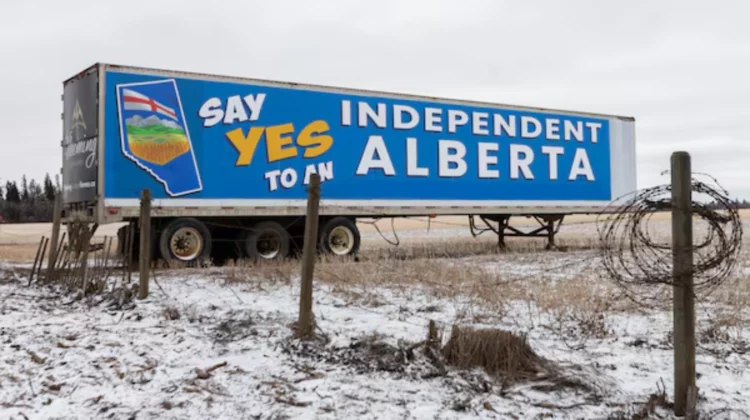
Supporters of Alberta independence hope to push for a referendum question on separation during a planned October 19 provincial referendum expected to focus on immigration and constitutional matters.
The platform reportedly allowed users to organize supporters and target political outreach efforts. However, the controversy erupted after allegations surfaced that the Centurion Project had improperly accessed or distributed Alberta’s confidential list of electors.
The list contains personal information about nearly three million Alberta voters and is tightly regulated under provincial election laws.
Elections Alberta Launches Investigation Into Voter Data Misuse
Elections Alberta began investigating after concerns emerged that voter data may have been improperly shared through an online database connected to the Centurion Project.
According to Chief Electoral Officer Gordon McClure, the agency issued 566 cease-and-desist letters to individuals who created accounts capable of accessing the database. The letters instructed recipients to stop using any voter information immediately.
McClure also revealed that 21 individuals identified as recipients of the voter list through the Centurion Project were asked to sign statutory declarations promising compliance with Elections Alberta’s directives.
While several individuals reportedly complied, McClure confirmed that Parker refused.
The agency’s concerns center on whether the electoral information was obtained lawfully and whether it was used in ways prohibited under Alberta’s Elections Act.
Under provincial law, misuse of elector information can result in severe penalties, including fines of up to $100,000, imprisonment for up to one year, or both.
The Role of the Republican Party of Alberta
The Republican Party of Alberta has also come under scrutiny because allegations suggest the voters list may have originated from data provided to the party.
Party leader Cameron Davies released a statement saying the organization is assisting investigators and co-operating with Elections Alberta.
Davies also stated that, to his knowledge, no cease-and-desist letters had been sent to anyone directly authorized to access the electoral list within the party itself.
That statement has done little to calm growing concerns among political observers, privacy experts, and opposition politicians, who argue the investigation points to deeper weaknesses in Alberta’s political data protection systems.
The controversy has renewed calls for stronger oversight rules governing how political parties and affiliated organizations collect, store, and use personal voter information.
David Parker’s Long and Controversial Political History
David Parker is no stranger to controversy within Alberta politics.
He became widely known as the founder of Take Back Alberta, a conservative grassroots organization that played a major role in reshaping the province’s political landscape in recent years.
The group gained influence by mobilizing conservative members inside the United Conservative Party and helping drive opposition against former premier Jason Kenney.
Parker and his allies were instrumental in the movement that eventually led to Kenney’s resignation as UCP leader in 2022. Danielle Smith later emerged victorious in the leadership race that followed.
However, Parker’s political activism has repeatedly attracted regulatory scrutiny.
Last year, Elections Alberta imposed more than $120,000 in penalties against Parker and Take Back Alberta for multiple violations of election finance laws.
The agency accused the organization of failing to properly report fundraising revenue, circumventing advertising spending limits, and knowingly making false statements to election officials.
Some of the penalties remain under appeal, while other matters have reportedly been referred to Crown prosecutors.
The Elections Alberta disciplinary database also notes that certain unpaid fines have been referred to debt collectors.
Parker Denies Wrongdoing and Criticizes Elections Alberta
Despite refusing to sign the statutory declaration requested by Elections Alberta, Parker has publicly denied allegations that he personally handled unauthorized voter data.
In social media posts published in early May, Parker claimed he was “completely complying” with Elections Alberta’s investigation.
He later argued that allegations suggesting he personally received or distributed unauthorized electoral information were false.
At the same time, Parker has aggressively criticized Elections Alberta and accused the agency of political bias.
In several online posts before the investigation became public, Parker accused the agency of engaging in “lawfare” against conservative organizations including Take Back Alberta, the Alberta Prosperity Project, and Stay Free Alberta.
He argued that Elections Alberta was using state power to suppress political activism and democratic participation.
In one post shared online, Parker described the agency as “corrupt to the core.” In another, he referred to Elections Alberta as “an evil tool of evil people.”
Neither Parker nor his legal representatives immediately responded to media requests for comment after Elections Alberta publicly stated he was refusing to co-operate.
Court Orders and Removal of the Online Database
Following legal pressure and growing public outrage, the Centurion Project reportedly removed the online tool containing voter information after a court order was issued.
The organization later released a statement saying it was co-operating with investigators and had voluntarily taken down the application.
According to the group, the data used by volunteers was purchased from a third party and was only intended to help volunteers identify people they already knew.
Critics, however, remain skeptical about those explanations.
Privacy advocates argue that regardless of intent, the alleged exposure of confidential electoral information demonstrates serious vulnerabilities in Alberta’s political data protections.
The incident has fueled calls for mandatory privacy regulations for political organizations similar to those imposed on private companies and public institutions.
Privacy Experts Demand Stronger Laws
Legal experts and privacy advocates say the controversy highlights major gaps in Alberta’s election and privacy legislation.
Unlike many organizations that handle personal information, political parties in Canada often operate under weaker privacy obligations than corporations or government departments.
Experts argue that the Centurion Project controversy demonstrates why stricter rules are urgently needed.
Several observers have called for mandatory breach reporting laws specifically targeting political organizations that possess voter information.
Others argue Elections Alberta should receive greater investigative powers, increased funding, and expanded authority to enforce compliance.
The issue has become particularly sensitive because the leaked information allegedly involved millions of Alberta voters, potentially exposing names, addresses, and other personal details.
Privacy concerns have become even more significant in an era where political data can be used for microtargeting, ideological organizing, and aggressive campaign strategies.
Political Fallout Reaches Alberta Legislature
The controversy quickly became a major political issue inside Alberta’s legislature.
NDP Leader Naheed Nenshi sharply criticized Premier Danielle Smith and accused her government of creating an environment where political activists feel emboldened to ignore legal institutions and regulatory authorities.
Nenshi argued that Smith’s repeated criticism of judges and legal institutions may have contributed to a culture of hostility toward oversight bodies like Elections Alberta.
He also expressed concern that someone allegedly connected to the misuse of voter information was unwilling to formally commit to stopping use of the data.
According to Nenshi, Smith should explicitly condemn both Parker’s actions and Alberta separatist movements more broadly.
He accused the premier of benefiting politically from the same activist networks now under investigation.
Danielle Smith Responds to Opposition Criticism
Premier Danielle Smith defended the handling of the investigation and argued that Alberta’s democratic institutions are functioning properly.
During legislative debate, Smith stated that Elections Alberta had successfully identified the likely source of the voter data, launched an investigation, and involved law enforcement authorities.
She described the process as evidence that the system was working exactly as intended.
Smith also said she would not prejudge the outcome of ongoing investigations and indicated her government would consider legislative reforms if Elections Alberta recommends changes after the investigations conclude.
Her comments, however, have not satisfied critics who argue Alberta’s election oversight system has already been weakened in recent years.
Opposition members pointed to legislative changes that limited Elections Alberta’s investigative timelines and thresholds, as well as disputes over funding requests made by the chief electoral officer.
Alberta Separatism Returns to the Political Spotlight
Beyond privacy concerns, the scandal has reignited debate over Alberta separatism and the growing influence of independence-focused groups.
Organizations such as the Alberta Prosperity Project and Stay Free Alberta have gained visibility by promoting dissatisfaction with federal policies and advocating greater provincial autonomy.
Stay Free Alberta reportedly gathered more than 302,000 signatures supporting a referendum on Alberta independence.
Although support for outright separation remains divided, the movement has become increasingly vocal amid ongoing political polarization in Canada.
The Centurion Project appeared designed to capitalize on that momentum by creating a highly organized grassroots network capable of identifying supporters and mobilizing activists.
Critics argue that the alleged misuse of voter information demonstrates the dangers of politically motivated data operations operating with insufficient oversight.
Supporters of Alberta independence, however, claim they are being unfairly targeted for their political beliefs.
Why the Alberta Voter Data Investigation Matters
The investigation into the Centurion Project goes beyond one political organizer or one separatist movement.
At its core, the controversy raises important questions about democratic accountability, privacy rights, and public trust in electoral systems.
Voters expect that personal information collected for democratic purposes will remain secure and protected from misuse.
When confidence in that protection weakens, it risks undermining faith in democratic institutions themselves.
The case also illustrates how modern political movements increasingly rely on data-driven organizing strategies that blur the line between grassroots activism and sophisticated digital campaigning.
As investigations continue, Alberta may face mounting pressure to overhaul how political organizations access and use sensitive voter information.
The final outcome could shape future election laws, privacy protections, and political campaigning practices not only in Alberta, but across Canada.
What Happens Next in the Investigation?
Multiple investigations remain ongoing, including inquiries by Elections Alberta, Alberta’s privacy commissioner, and the RCMP.
Officials have not yet announced whether criminal charges or additional penalties will be pursued.
The possibility of prosecution remains significant given the serious penalties outlined under Alberta’s Elections Act.
Investigators will likely focus on several key questions:
How Was the Voter Data Obtained?
Authorities are expected to determine whether the list of electors was lawfully accessed and whether it was improperly shared with unauthorized individuals or organizations.
Who Had Access to the Database?
Investigators are examining how many individuals created accounts capable of accessing the data and what actions they took while using the platform.
Was the Data Used for Political Targeting?
One of the central concerns is whether confidential voter information was used to build political profiles, recruit separatist supporters, or coordinate campaign activities.
Will Alberta Reform Privacy Laws?
The controversy may ultimately lead to significant legislative reform surrounding political data usage, mandatory breach reporting, and enforcement powers for election regulators.
Public Trust in Alberta’s Electoral System Faces a Critical Test
The Alberta voter data controversy has become one of the province’s most politically explosive stories in recent years.
What began as allegations surrounding a separatist organizing platform has evolved into a wider debate about privacy, political accountability, and democratic integrity.
With Elections Alberta confirming that David Parker is refusing to fully co-operate, pressure is mounting on investigators, lawmakers, and political leaders to provide answers.