
A major political and cybersecurity scandal has erupted in Alberta, Canada | province, exposing deep vulnerabilities in how voter information is stored, shared, and potentially exploited. What began as a growing separatist movement has now expanded into a far more alarming debate about electoral security, personal privacy, and the possibility of foreign interference in Canadian democracy.
At the center of the controversy is the alleged illegal access and misuse of Alberta’s official list of electors, a database containing the personal details of roughly 2.9 million voters. The breach has triggered investigations by multiple authorities and raised urgent questions about whether Canada’s democratic infrastructure is adequately protected in the digital age.
Security experts, journalists, and former intelligence officials have described the situation in stark terms, warning that the implications could be long-lasting and potentially “truly terrifying” for democratic systems already under strain.
How the Voter Data Breach Unfolded
The Scale of the Exposure
The compromised database reportedly included sensitive information such as:
- Full names of voters
- Home addresses
- Contact details
This kind of data is tightly regulated in most democratic systems, including Canada, because of its potential misuse in harassment, coercion, and targeted political manipulation.
According to investigators, access to the voter list was not properly restricted, allowing dozens and potentially hundreds of individuals to view or interact with it under unclear conditions.
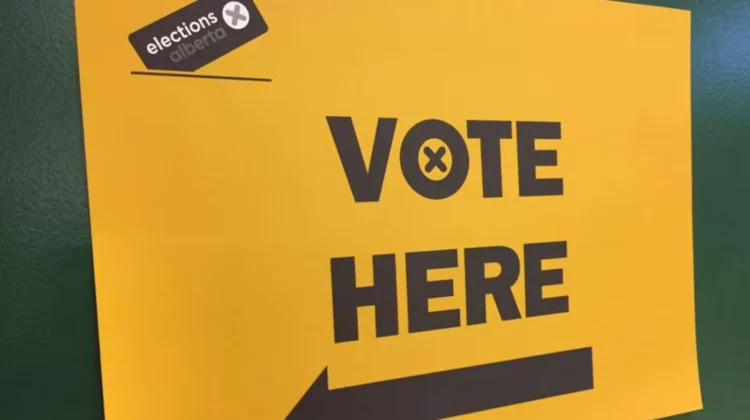
The provincial electoral authority, Elections Alberta, has since confirmed that it launched an investigation after concerns were raised about unauthorized use of the data.
The Centurion Project and Political Data Exploitation
A Digital Campaign Tool Under Scrutiny
At the center of the controversy is a separatist-linked initiative known as the Centurion Project. The project claims to be a digital organizing platform designed to modernize grassroots political campaigning through data-driven tools.
One of its organizers, David Parker, is a veteran political strategist in Alberta’s separatist circles. He has also been associated with U.S.-aligned conservative movements and far-right media figures such as Tucker Carlson.
The Centurion Project allegedly used voter data to populate its systems, enabling highly targeted outreach to voters across the province.
During an online demonstration, Parker reportedly showcased the platform’s ability to retrieve detailed voter information, including home addresses and phone numbers. The demonstration alarmed observers, particularly when it was shown that even high-profile individuals could be easily located in the system.
Security Failures and Oversight Questions
How Did This Happen?
Early findings suggest that the voter list may have been accessed through intermediaries who originally obtained it legally. One key pathway involved the Republican Party of Alberta, a fringe political group that had legitimate access to electoral data but allegedly failed to secure it properly.
The party has stated it warned against misuse of the data but has not clarified how it was transferred or replicated within external systems.
Journalist Jen Gerson, who first raised public concerns, said the lack of safeguards was deeply troubling. She noted that individuals without verifiable identities could access the system and potentially download large volumes of sensitive information.
Her warning to authorities eventually triggered formal scrutiny, although initial responses from election officials suggested there was insufficient evidence of wrongdoing. That assessment later changed, and a court order was issued to shut down the database.
Government, Police, and Privacy Investigations
Multiple agencies are now involved in examining the breach, including:
- Elections Alberta
- The Royal Canadian Mounted Police (RCMP)
- Alberta’s privacy commissioner
The RCMP has reportedly begun assessing whether criminal charges could be applicable depending on how the data was accessed and distributed.
Meanwhile, Elections Alberta has acknowledged that nearly 600 individuals may have accessed the voter list during the period of exposure. Officials have described the data as “incredibly confidential” and emphasized the risks to vulnerable groups.
Political Fallout in Alberta
Separatism and Escalating Tensions
The scandal has unfolded against the backdrop of a growing independence movement within Alberta, Canada | province. Activists pushing for a referendum on separation have increasingly relied on digital mobilization strategies and data-driven outreach campaigns.
The controversy has intensified political tensions already present in the province, with accusations of sabotage, mismanagement, and even treason being exchanged between opposing factions.
Former Alberta Premier Jason Kenney has publicly expressed concern about the long-term consequences of the breach. He warned that exposure of personal data could endanger not only politicians but also journalists, judges, activists, and survivors of domestic violence.
Expert Warnings: A New Digital Battlefield for Democracy
Data as a Political Weapon
Security and intelligence experts argue that the Alberta breach is not an isolated incident but part of a broader global trend in which data has become a central instrument of political influence.
Former RCMP intelligence manager Patrick Lennox warned that modern political systems are increasingly vulnerable to manipulation through data exploitation, foreign interference, and digital propaganda.
He suggested that democratic institutions are now operating in an environment where large-scale voter data leaks could be weaponized by both domestic and international actors.
According to him, the combination of weak safeguards, political polarization, and advanced analytics creates a “high-risk ecosystem” for electoral manipulation.
Foreign Interference Concerns
A Broader International Context
The Alberta incident has also raised concerns about foreign interest in Canada’s internal political divisions. Researchers have previously identified attempts by external actors to exploit regional tensions within Canada.
Organizations such as the Global Centre for Democratic Resilience and DisinfoWatch have documented patterns of disinformation campaigns and digital manipulation targeting democratic institutions.
Academic researchers at the University of Regina have also noted parallels between Alberta’s separatist discourse and narratives used in other geopolitical conflicts, where questions of sovereignty are leveraged to weaken national unity.
Experts caution that such environments are particularly vulnerable to influence operations, especially when large datasets of voter information are exposed.
Legal and Ethical Questions
Was the Data Access Legal or Not?
One of the most complex issues in the investigation is whether the data was obtained legally but later misused, or whether it was accessed without authorization from the start.
Organizers linked to the Centurion Project claim that the data came from third-party sources and was compliant with privacy laws. However, investigators are examining whether those claims are accurate.
Authorities have also questioned whether internal safeguards were bypassed or intentionally ignored.
Privacy Risks for Ordinary Citizens
The implications extend far beyond political actors. Privacy experts warn that exposure of voter data can have real-world consequences for everyday citizens, including:
- Stalking or harassment risks
- Exposure of domestic violence survivors
- Targeting of activists and journalists
- Potential identity-based discrimination
Officials have emphasized that even limited exposure of electoral databases can have long-term consequences, particularly if the data is copied or redistributed.
The Role of Technology and Data Brokers
Hidden Chains of Data Distribution
Investigators are also exploring whether commercial data brokers played a role in the spread of voter information. In modern political campaigning, data is often shared across multiple platforms, vendors, and analytics systems.
This creates a chain of custody that is difficult to monitor and even harder to regulate.
Some experts believe that weak oversight of private data brokers may have contributed to the scale of the breach, particularly if data was repackaged and redistributed without clear authorization.
A Warning Sign for Democracies Everywhere
The Alberta voter data breach is increasingly being viewed as part of a wider global pattern. In the United States, similar disputes have emerged over voter roll access, with legal battles involving multiple states and federal authorities.
Analysts argue that electoral data has become one of the most valuable assets in modern politics, not only for campaign targeting but also for potential manipulation, surveillance, and influence operations.
The combination of political polarization, digital campaigning, and insufficient safeguards creates what many experts describe as a fragile democratic environment.
What Happens Next for Alberta
Investigations and Potential Reforms
As investigations continue, authorities in Elections Alberta are under pressure to strengthen data protection laws and improve transparency in how voter information is handled.
Calls have also grown for stricter penalties for misuse of electoral data and clearer rules governing political technology platforms.
At the same time, political leaders are grappling with how to address public fears without further inflaming tensions in an already divided province.
Conclusion: A Democracy Under Digital Strain
The Alberta voter data breach is more than a technical failure. It represents a convergence of political extremism, weak data governance, and emerging digital threats that together expose deep vulnerabilities in democratic systems.
Whether the final findings point to negligence, misuse, or systemic failure, the incident has already reshaped public debate in Alberta, Canada | province.