
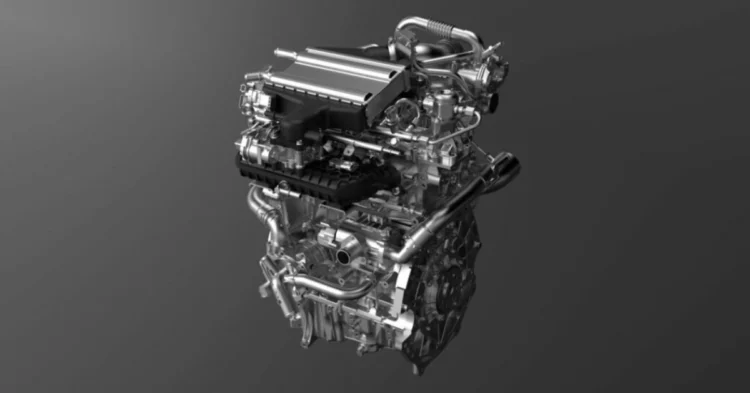
For years, we’ve accepted the electric engine as the inevitable future of low-emission transport. Governments, automakers, and environmental advocates have pushed hard toward electrification, and battery-powered vehicles are gaining ground worldwide. But now, a radical new idea has emerged from China that challenges this dominant narrative: an ammonia-powered engine that doesn’t require plugs, chargers, or batteries—and claims to reduce emissions by up to 90%.
Developed by GAC, a state-owned Chinese automaker, this innovation seems almost too bold to believe. But in sectors where electric engines still struggle to gain a foothold—like shipping, heavy transport, or long-distance travel—ammonia might just fill a crucial gap.
Table of Contents
Is Electric Really the Only Path Forward?
The Progress of Electrification—With Limits
Electric motors have revolutionized the automotive industry. From premium EVs like Tesla to budget-friendly hybrids, we’ve seen massive strides in reducing vehicle emissions. The benefits are real: lower operating costs, fewer mechanical failures, and significant cuts in greenhouse gas output.
But the electric model isn’t universally accessible. Charging infrastructure remains sparse in many parts of the world. Electricity access is not guaranteed in rural regions or developing countries, and many drivers still can’t afford the high upfront cost of EVs.
That’s the space where alternatives like ammonia might find their footing.
The Infrastructure Problem: No Outlet, No Electric Car
Why Charging Stations Are Still a Major Barrier
Despite ambitious plans in many nations, the rollout of EV infrastructure is far from complete. For people living in remote or underserved areas, finding a charging station is still a challenge—and without reliable access, an electric car simply isn’t practical.
Even in urban areas, long charging times and grid limitations present major hurdles. That’s why transitional technologies—like plug-in hybrids, hydrogen fuel cells, and now ammonia—are being re-evaluated as potentially viable alternatives.
The Ammonia Engine: A Radical but Practical Innovation
GAC’s Prototype Is Already Running
GAC’s prototype is a 2.0-liter, 161-horsepower engine that runs entirely on ammonia, a chemical compound traditionally used in agriculture and industrial applications. The company claims that it can reduce carbon emissions by 90% compared to gasoline.
It’s a bold message: sustainable transportation doesn’t have to involve plugging in. Instead, this engine uses internal combustion in a new way—offering a cleaner burn without relying on lithium, rare earth minerals, or battery production.
A Fuel Already Used at Sea
Ammonia in the Shipping Industry
Ammonia isn’t new to transport. It’s already being explored in the maritime sector, where electrification is nearly impossible due to energy demands and weight limitations. Cargo ships contribute a significant portion of global emissions, and reducing their environmental footprint is a priority for climate efforts.
Since ammonia can be stored and transported relatively easily, it’s being considered a top contender for decarbonizing shipping. GAC’s innovation could bring similar benefits to land transport—especially for long-haul trucking and other sectors where batteries fall short.
Pros and Cons of Ammonia as a Fuel
Emissions and Sustainability
The biggest advantage is obvious: significantly fewer carbon emissions. Ammonia combustion does not release CO₂ in the same volumes as gasoline or diesel, making it a more climate-friendly option.
Toxicity and Energy Limitations
But ammonia isn’t perfect. It’s a toxic substance that must be handled with care. It also has a lower energy density than traditional fuels, meaning vehicles may need more frequent refueling or larger tanks. These limitations make it less appealing for small consumer vehicles—but potentially ideal for large-scale or industrial use.
Innovation Isn’t Always Comfortable
Thinking Beyond Batteries
GAC’s ammonia engine may never reach mass production, but that doesn’t mean the idea is a failure. Progress often depends on thinking outside the box—and in this case, outside the plug.
Alternative fuels like ammonia push the boundaries of what’s considered possible. Even if they don’t replace EVs entirely, they might complement them, helping fill the gaps that batteries can’t.
The Future of Clean Transport Is Multifaceted
One Solution Can’t Fit All
The path to a decarbonized planet is not a straight line. Different regions, industries, and use cases require different technologies. Electric vehicles will remain central to that effort—but they won’t be the only answer.
Ammonia, hydrogen, synthetic fuels, and other innovations are all part of a broader toolkit. Each has strengths and weaknesses, and the best path forward will likely include a blend of several approaches.
Final Thoughts: What Ammonia Represents
GAC’s ammonia-powered engine isn’t just a technical prototype—it’s a symbol of a more flexible, pragmatic approach to sustainability. While the world rushes toward electrification, it’s worth asking whether every journey needs a battery.
The future of mobility might not be fully electric, and it certainly won’t be one-size-fits-all. If we want real progress, we’ll need to explore paths that seem strange today. And sometimes, that means betting on fuels that smell a little different.