
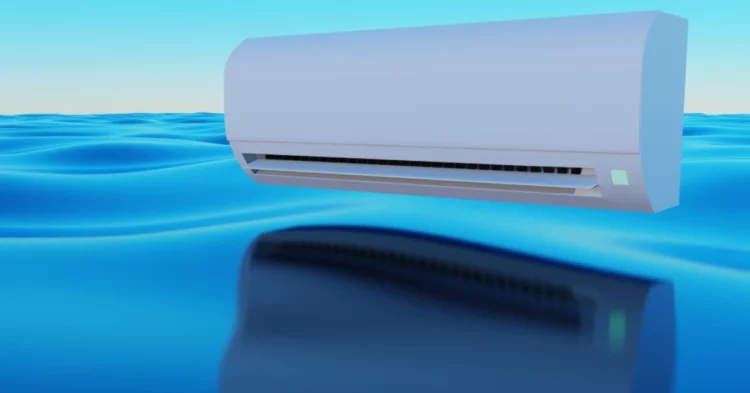
As the heat rises each summer, air conditioners work overtime to keep our homes cool. In the process, they produce something most people never think twice about: water. But not just any water—clean, mineral-free condensate water. This byproduct of your cooling system is often overlooked, yet it’s a hidden asset that can reduce utility bills and contribute to sustainable living.
Let’s explore the potential of this underutilized resource and how it can become a powerful tool in your eco-conscious household routine.
Table of Contents
What Exactly Is AC Condensate Water?
Naturally Distilled and Soft—A Unique Type of Water
Your air conditioner removes moisture from indoor air, which condenses and drips into a drain or pan. That runoff is what we call AC condensate water. Unlike tap water, it’s essentially distilled. It doesn’t contain minerals like calcium or magnesium, which are responsible for hard water stains and appliance buildup.
A typical household air conditioner can produce 5 to 20 gallons of this water per day, depending on humidity levels. And while it’s not safe to drink due to potential bacteria, it has plenty of smart uses around the home.
Benefits of Reusing AC Water in Daily Life
Lower Your Utility Bills and Cut Down on Water Waste
Collecting and reusing AC condensate is a simple way to live more sustainably:
- Save money on water usage, especially during summer.
- Reduce demand on municipal water supplies.
- Minimize energy use at water treatment facilities.
- Avoid mineral stains on household surfaces.
All you need is a clean container placed beneath your AC unit’s drainage pipe. Clean the vessel regularly to avoid bacterial buildup, and you’re ready to go.
Practical Ways to Use AC Water at Home
1. Streak-Free Window and Glass Cleaning
This mineral-free water won’t leave marks or residue on mirrors, windows, or glass furniture.
2. Wrinkle-Free Ironing Water
Perfect for steam irons—it prevents mineral deposits that clog steam vents.
3. Topping Off Car Fluids
Use it for car batteries or windshield washer reservoirs without worrying about mineral interference.
4. Refilling Humidifiers
AC water extends the lifespan of humidifiers by preventing scale buildup.
5. Laundry Pre-Treatment
Its purity boosts detergent performance and is gentle on delicate fabrics.
Using AC Water for Your Plants and Garden
Great for Houseplants, Good for Gardens
Plants appreciate clean, soft water—especially acid-loving varieties like orchids, ferns, and African violets. AC water contains no chlorine or chemicals, making it gentle and safe for most houseplants.
Guidelines for Garden Use:
- Use it as supplemental irrigation during dry spells.
- Mix with tap water occasionally to restore missing minerals.
- Combine with organic fertilizers for food-producing plants.
While AC water is low in nutrients, it’s a perfect complement to your regular watering schedule and reduces stress on your primary water supply.
How Recycling AC Water Supports Environmental Conservation
One Small Change, Many Big Impacts
Reusing AC water helps reduce the strain on freshwater systems and the energy needed to treat municipal water. That means fewer carbon emissions and less pollution.
You’ll also:
- Prevent runoff from chemically treated cleaning water.
- Reduce reliance on harmful bottled or purified water for basic tasks.
- Cultivate eco-awareness that often spreads to other parts of your lifestyle.
How to Get Started with AC Water Collection
Easy Steps to Turn Waste into a Useful Resource
- Set up a collection container under your AC drain.
- Use clean, covered buckets to avoid contamination.
- Apply water to one new task (e.g., windows or plants) to test its benefits.
- Scale up to other uses as you gain confidence.
- Store excess water safely for dry days or outdoor cleaning.
Track how much water you collect over time—it’s a powerful motivator to continue. Even a modest-sized AC can provide hundreds of gallons throughout the summer.
Final Thoughts: Small Changes That Make a Big Difference
What seems like waste—dripping from the side of your AC—might just be a goldmine in disguise. With a few simple adjustments, you can turn this overlooked water into a powerful part of your eco-friendly routine. Not only will you save money, but you’ll also contribute to a more sustainable, water-conscious world.
Next time you hear your AC humming, remember—it’s not just cooling your home. It’s giving you a free, clean resource. All you need to do is collect and use it.