
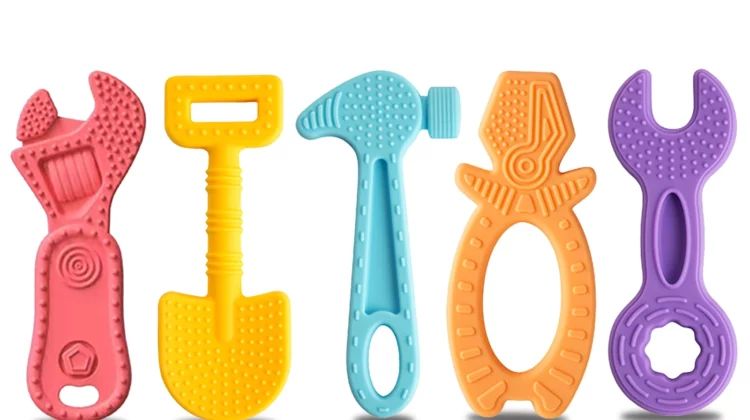
A recent recall across Canada has drawn attention to the safety standards governing infant care products. The recall involves a specific model of water-filled baby teethers manufactured by Fridababy, after testing revealed the presence of microbes in the liquid filling. While officials emphasize that the microorganisms identified are not known to pose health risks, the situation highlights the strict regulatory expectations for products designed for babies.
Issued by Health Canada, the recall has prompted parents and caregivers to reassess how they evaluate product safety, particularly when it comes to items that infants frequently place in their mouths. Even though no injuries or illnesses have been reported, the recall underscores the importance of compliance with safety laws and the precautionary approach taken when it comes to children’s health.
Understanding the Recalled Product
What Are Not-Too-Cold-To-Hold Teethers
The product at the center of the recall is the Not-Too-Cold-To-Hold Teether, a water-filled teething aid designed to soothe infants during the teething phase. These teethers are intended to be chilled, providing relief to sore gums without becoming too cold for babies to handle comfortably.
Teething products like these are widely used by parents seeking non-medicinal ways to ease discomfort. Their popularity stems from their simplicity and perceived safety, making this recall particularly noteworthy.
Identifying the Affected Units
The recall applies specifically to products with the UPC number 810028773929 and lot number 0072501001. These identifiers can be found on the packaging as well as on the product inserts. Approximately 4,620 units of the affected teethers were sold in Canada between July and December 2025.
Consumers who have purchased these teethers are advised to check their packaging carefully. If the product matches the recalled identifiers, it should no longer be used.
The Microbial Discovery: What Was Found
Types of Microbes Detected
Testing conducted as part of routine safety evaluations revealed the presence of two types of microbes in the liquid filling of the teethers: deinococcus ficus and deinococcus grandis, also referred to as deinococcus daejeonensis.
These microorganisms are typically found in natural environments such as soil and water. They are known for their resilience and ability to survive in extreme conditions, but they are not commonly associated with human disease.
Why Microbes Are Not Allowed in Teethers
Despite the relatively harmless nature of these microbes, their presence in a baby product violates Canadian safety regulations. Under the Canada Consumer Product Safety Act, products like teethers must not contain any living microorganisms in their internal liquid.
The reason for this strict rule is rooted in precaution. Infant products are held to higher safety standards because babies are more vulnerable to potential health risks. Even microbes that are generally considered harmless could pose unknown risks in certain contexts, especially if the product is damaged or leaks.
Health Canada’s Position on the Risk
Low Health Risk but High Regulatory Importance
According to Health Canada, the microbes found in the teethers are not linked to known human health risks. This means that, under normal circumstances, exposure to these microorganisms is unlikely to cause illness.
However, the recall was still issued because the presence of any living microbes in such products is not permitted. This reflects a broader regulatory philosophy that prioritizes prevention over reaction, especially when it comes to infants.
No Reported Incidents or Injuries
As of mid-April 2026, there have been no reports of injuries, illnesses, or other incidents related to the recalled teethers. This is an important point for parents who may feel alarmed upon hearing about the recall.
The absence of reported harm suggests that the issue was identified early, likely through proactive testing rather than as a response to consumer complaints or medical cases.
What Parents and Caregivers Should Do
Immediate Steps to Take
Consumers who own the recalled teethers should stop using them immediately. Continuing to use the product is not recommended, even if it appears intact or unused.
The next step is to contact Fridababy for instructions on how to properly dispose of the product or potentially receive a replacement or refund. Following official guidance ensures that the product is handled safely and responsibly.
Checking for Product Details
It is essential to verify the UPC and lot number before taking action. Not all teethers from the brand are affected, so careful identification helps avoid unnecessary concern or disposal of safe products.
Parents should also keep packaging whenever possible, as it contains critical information needed for recalls and customer support.
Broader Implications for Baby Product Safety
The Importance of Regulatory Oversight
This recall serves as a reminder of the role regulatory bodies play in maintaining product safety. Agencies like Health Canada conduct testing, enforce standards, and issue recalls when necessary to protect consumers.
Their work often goes unnoticed until situations like this arise, but it is a crucial part of ensuring that products meet safety expectations before and after they reach the market.
How Recalls Help Prevent Larger Issues
Recalls are not always a sign of widespread danger. In many cases, they are precautionary measures designed to address potential risks before they escalate.
In this instance, the recall appears to have been issued out of an abundance of caution, rather than in response to harm. This proactive approach helps maintain public trust and reduces the likelihood of future problems.
Understanding Microbial Presence in Consumer Products
Why Microbes Can Appear in Manufacturing
Microorganisms can sometimes enter products during manufacturing, especially when liquids are involved. Even with strict hygiene protocols, contamination can occur if processes are not perfectly controlled.
The discovery of microbes in the teether filling suggests a lapse in quality control, though not necessarily negligence. It highlights the complexity of maintaining sterile conditions in mass production.
The Challenge of Ensuring Sterility
Ensuring that products remain free from microbial contamination requires rigorous testing, monitoring, and adherence to standards. For baby products, these requirements are even more stringent.
Manufacturers must balance efficiency with safety, ensuring that every unit meets regulatory expectations. When this balance is disrupted, recalls become necessary.
Consumer Awareness and Responsibility
Staying Informed About Recalls
Parents and caregivers can benefit from staying informed about product recalls. Government websites, manufacturer announcements, and news outlets are valuable sources of information.
Being aware of recalls allows consumers to act quickly, minimizing potential risks and ensuring the safety of their children.
Evaluating Product Safety Beyond Marketing Claims
While many baby products are marketed as safe and effective, recalls like this demonstrate the importance of independent verification. Consumers should not rely solely on branding or advertising when assessing safety.
Looking for compliance with regulatory standards and staying updated on safety alerts can provide an additional layer of assurance.
The Role of Manufacturers in Maintaining Trust
Accountability and Transparency
When a recall is issued, how a company responds can significantly impact consumer trust. Clear communication, prompt action, and support for affected customers are essential.
Fridababy has directed consumers to reach out for further instructions, which is a standard step in managing recalls. Ongoing transparency will be key in maintaining confidence among customers.
Learning from the Incident
Recalls also provide an opportunity for manufacturers to improve their processes. Identifying the source of contamination and implementing corrective measures can prevent similar issues in the future.
For consumers, seeing a company take responsibility and make improvements can help rebuild trust.
Conclusion: A Precautionary Recall with Important Lessons
The recall of water-filled baby teethers in Canada highlights the intersection of safety standards, regulatory oversight, and consumer awareness. While the microbes found in the products are not associated with known health risks, their presence violates strict safety regulations designed to protect infants.
For parents, the key takeaway is to remain vigilant, check product details, and follow official guidance when recalls occur. For manufacturers and regulators, the incident reinforces the importance of maintaining high standards and acting quickly when issues arise.