
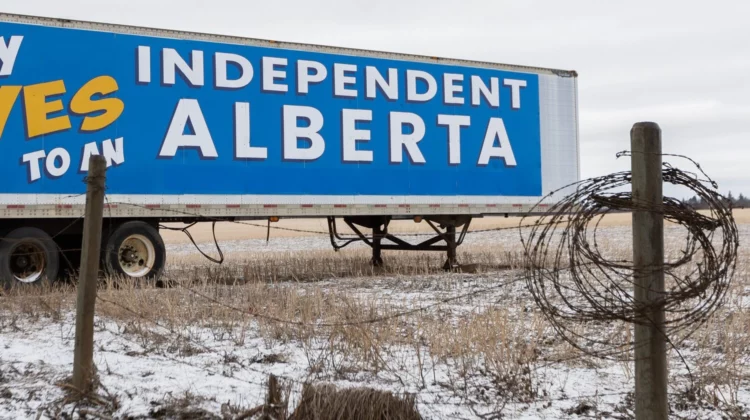
A widening political controversy in Alberta has intensified after David Parker, the controversial strategist behind the separatist-focused Centurion Project, refused to co-operate with Elections Alberta investigators examining allegations of unauthorized access to sensitive voter information belonging to nearly 2.9 million residents.
The dispute has triggered fears about electoral integrity, privacy violations, and the future of Alberta’s increasingly vocal separatist movement. At the centre of the scandal are allegations that hundreds of individuals connected to the Centurion Project were granted improper access to Alberta’s confidential list of electors, a protected database typically reserved for registered political parties and authorized election activities.
According to Elections Alberta, nearly 600 individuals may have been able to search and access private voter data through a custom-built digital platform linked to the separatist organization. The allegations have sparked investigations, legal action, and broader concerns about whether personal information collected for democratic purposes is now being weaponized for political campaigns promoting Alberta’s separation from Canada.
Elections Alberta Says David Parker Is Refusing to Comply
The controversy escalated after Alberta’s chief electoral officer, Gordon McClure, publicly confirmed that David Parker has not co-operated with investigators and has refused to sign a statutory declaration agreeing to stop using the data.
McClure stated that Parker ignored directives ordering him to cease and desist from distributing or using information derived from Alberta’s electors list. The declaration was intended to ensure compliance while the investigation continues, but Elections Alberta says Parker has declined to provide any assurances.
Parker did not respond to media requests for comment following the announcement. However, he had previously indicated he would work with investigators, including officials from Elections Alberta and law enforcement agencies.
His latest refusal marks a dramatic escalation in the standoff between Alberta election authorities and one of the province’s most influential separatist organizers.
David Parker’s Longstanding Conflict With Elections Alberta
David Parker has built a reputation as a combative political activist who frequently attacks government institutions and election authorities. Over recent months, he has repeatedly accused Elections Alberta of suppressing democratic freedoms and interfering with political organizing.
In posts shared publicly on social media platform X, Parker described Elections Alberta as “an evil institution” and accused the agency of engaging in political persecution.
He claimed the organization was using “lawfare” against political activists and vowed to continue fighting against what he called institutional overreach.
These statements reflect Parker’s broader political strategy, which often frames provincial institutions and federal structures as hostile to Alberta’s interests. His rhetoric has resonated with parts of Alberta’s separatist movement, particularly among activists frustrated with Ottawa and federal policies.
Yet critics argue that Parker’s increasingly confrontational approach has inflamed tensions and undermined confidence in democratic institutions.
How the Centurion Project Allegedly Accessed Alberta’s Elector Data
At the core of the investigation is the allegation that the Centurion Project improperly obtained access to Alberta’s highly restricted list of electors.
The list contains sensitive information about eligible voters, including names, addresses, polling divisions, and other identifying details. Political parties registered under Alberta law are permitted limited access to the database for legitimate campaign and voter outreach activities.
However, third-party organizations such as the Centurion Project are not authorized to possess or distribute this information.
Investigators believe the data originated from a copy legally provided to the Republican Party of Alberta, a registered separatist political party allied with Parker’s movement.
Authorities allege the information was then transferred into a separate digital platform used by Centurion Project volunteers and supporters.
The platform reportedly allowed users to search voters using partial names or addresses and then record political opinions regarding Alberta separation.
This functionality transformed the database into an organized political targeting tool capable of identifying, categorizing, and tracking voters based on their views about secession.
Nearly 600 Users Allegedly Had Unauthorized Access
One of the most alarming revelations in the case involves the number of people who allegedly had access to the system.
Elections Alberta claims that nearly 600 users were approved to use the Centurion Project’s platform. That means hundreds of individuals may have been able to search and retrieve private voter information outside authorized legal frameworks.
The scale of the alleged access has raised concerns among privacy advocates and election security experts.
Unlike tightly controlled election databases typically monitored by registered parties, the Centurion platform allegedly distributed access widely among volunteers and political supporters.
Experts warn that the broader the access pool becomes, the greater the risk of misuse, data leaks, identity exploitation, or political intimidation.
The allegations have also raised questions about whether foreign actors or malicious online groups could exploit the data for influence campaigns.
RCMP Launches Separate Investigation Into Data Allegations
The seriousness of the allegations prompted the RCMP to announce its own investigation in April.
While Elections Alberta is responsible for enforcing provincial election laws, the RCMP’s involvement signals potential concerns about criminal conduct or breaches involving personal information and cybersecurity.
Authorities have not publicly disclosed whether criminal charges are being considered. However, the dual investigations demonstrate the severity of the allegations and the growing political sensitivity surrounding Alberta separatism.
The investigations come at a particularly volatile moment in Alberta politics, with separatist activism gaining momentum and public frustration over federal-provincial relations remaining high.
Alberta Separation Referendum Fuels Political Tensions
The controversy is unfolding against the backdrop of a planned referendum scheduled for Oct. 19 by Premier Danielle Smith’s government.
The referendum is expected to focus heavily on issues involving immigration, federal authority, and Alberta’s autonomy within Canada.
Separatist organizations have aggressively mobilized supporters ahead of the vote. Last week, activists submitted a petition containing approximately 301,000 signatures supporting the inclusion of a formal secession question on the ballot.
The growing separatist movement has transformed what was once considered a fringe political issue into a major provincial debate.
Critics fear that allegations involving unauthorized voter data could damage public confidence in any future referendum result.
Concerns are mounting that the misuse of private information may undermine the legitimacy of democratic processes and fuel distrust among voters already divided over Alberta’s political future.
Republican Party of Alberta Takes Different Approach
While Parker has refused to co-operate with investigators, the Republican Party of Alberta appears to be distancing itself from confrontation.
Party leader Cam Davies confirmed that the organization is assisting Elections Alberta with its investigation.
Davies stated that the party is complying with requests for information and working with authorities examining how the elector data may have been used.
The differing responses highlight potential fractures inside Alberta’s separatist movement.
Although Parker and Davies have long been political allies, the data scandal has introduced tensions between activists prioritizing aggressive political mobilization and those attempting to maintain legal and institutional legitimacy.
The Republican Party of Alberta’s co-operative stance may reflect concerns about political fallout, particularly if the investigation uncovers significant election law violations.
Anonymous Tip Warned Elections Alberta Weeks Earlier
Court documents later revealed that Elections Alberta received an anonymous warning about the Centurion Project several days before formal action was taken.
According to the records, an unidentified individual left a voicemail on April 21 expressing concerns that the separatist organization possessed Alberta’s electors list and was using it to support its campaign for secession.
This revelation became especially significant because another earlier tip had already been submitted by journalist Jen Gerson on March 31.
Despite these warnings, Elections Alberta did not immediately launch a full investigation.
Election Commissioner Paula Hale reportedly concluded that the available information did not meet the legal threshold necessary to proceed under Alberta’s revised election laws.
As a result, the Centurion Project’s database reportedly remained active and accessible until Elections Alberta secured a court injunction later in April.
Changes to Alberta Election Laws Now Under Scrutiny
The delayed investigation has intensified scrutiny on legislative changes introduced by Premier Danielle Smith’s government earlier in 2025.
Those amendments altered the legal threshold required for Elections Alberta to begin investigations into potential election law violations.
Previously, investigators only needed “grounds to warrant” an investigation. Under the new rules, the agency must establish “reasonable grounds” before taking action.
Elections Alberta argues the higher standard significantly limited its ability to intervene earlier in the Centurion Project case.
Government officials dispute that interpretation, insisting the agency still possessed sufficient authority to investigate.
Nevertheless, critics say the revised legislation may have unintentionally weakened oversight mechanisms during a politically sensitive period.
Opposition figures and election law experts are now questioning whether the reforms created barriers that delayed enforcement and allowed alleged misconduct to continue unchecked.
Digital Evidence Linked Database to Official Elector Lists
Investigators eventually identified several technical indicators suggesting the Centurion Project database was built using Alberta’s official elector records.
According to affidavits filed in court, an Elections Alberta investigator reviewed a demonstration video showing how the app functioned.
The video reportedly displayed electoral divisions and polling subdivisions that closely matched official election records.
These details convinced investigators that the platform likely relied on either a complete or partial version of Alberta’s elector list.
Election Commissioner Paula Hale later described the evidence as compelling and indicative that official electoral data had been incorporated into the system.
The technical findings became a turning point in the investigation and contributed to Elections Alberta’s decision to seek a court injunction.
Fake Names Helped Trace Alleged Data Leak
One of the most striking details to emerge from court filings involved Alberta’s use of fake entries to track unauthorized data sharing.
Elections Alberta reportedly inserts thousands of fabricated names into elector lists distributed to authorized recipients. These fake identities act as digital markers designed to identify the source of leaks.
On April 29, Abdullah Bin Naeem, Alberta’s director of technology platforms and innovation, compiled a database of 2,587 fake names hidden within official elector records.
Using specialized digital tools, investigators located 87 fake entries inside the Centurion Project system.
According to affidavits, the discovered entries corresponded specifically to the version of the elector list previously provided to the Republican Party of Alberta.
The findings became central evidence linking the separatist organization to unauthorized possession of official electoral data.
Database Contained Extensive Personal Information
Further analysis suggested the Centurion Project database may have contained significantly more information than publicly visible through the app’s search interface.
Independent examination reportedly found that the root database included unique elector identification numbers, middle names, and more than 2 million phone numbers.
This discovery heightened fears about the scale of the alleged privacy breach.
Although ordinary users may only have been able to conduct limited searches, the underlying system potentially stored a far larger volume of sensitive voter information.
Elections Alberta has not confirmed whether investigators directly accessed the database itself, citing the ongoing nature of the investigation.
Still, the reported scope of the information has alarmed cybersecurity experts and privacy advocates alike.
Foreign Interference Concerns Add Another Layer of Fear
The controversy has also triggered fears about foreign influence and disinformation campaigns.
Researchers studying online extremism and political interference have warned that Alberta’s separatist debate could become a target for hostile foreign actors seeking to deepen divisions inside Canada.
Political polarization surrounding secession movements often creates opportunities for misinformation campaigns, data exploitation, and coordinated online manipulation.
If voter information was broadly accessible through unsecured political platforms, experts warn that hostile groups could potentially exploit the data to target communities, spread propaganda, or manipulate public opinion.
These concerns have added national security implications to what initially appeared to be a provincial election law dispute.
Public Trust in Democratic Institutions Faces Major Test
The Centurion Project controversy arrives at a fragile moment for democratic trust across Canada.
Political polarization, growing separatist sentiment, and declining confidence in public institutions have created an atmosphere where allegations of voter data misuse carry enormous consequences.
For many Albertans, the investigation is no longer solely about one organization or one activist leader. It has become a broader test of whether democratic systems can effectively protect private information while ensuring transparency and accountability.
The outcome of the investigations by Elections Alberta and the RCMP could shape future debates about election oversight, political data collection, and separatist activism in Alberta for years to come.