
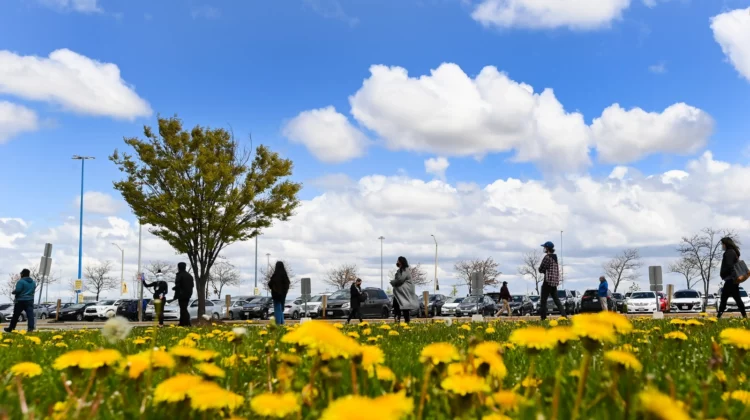
Alberta is experiencing an unusual shift in its seasonal pollen cycle, with colder-than-normal weather pushing back the start of the province’s pollen season by several weeks. While this delay may seem like a temporary reprieve for allergy sufferers, experts warn that it is actually contributing to a more concentrated and intense pollen release once temperatures finally rise.
Typically, Alberta’s pollen season begins in mid-to-late March. However, over the past several years, this start date has repeatedly shifted later due to fluctuating spring temperatures. This year follows the same pattern, with pollen activity only beginning to ramp up in mid-April instead of early spring.
According to Daniel Coates, director of Aerobiology Research Laboratories, this shift is not simply a delay but a compression of the entire pollen cycle. As a result, multiple tree species that normally release pollen at different times are now overlapping.
Overlapping Tree Pollination Is Creating a Concentrated Allergy Surge
Early and Late Pollinators Are Colliding
In a typical year, early-season trees such as maple, alder, and cedar begin releasing pollen first. These are followed later by species like birch, oak, and poplar. However, in Alberta’s current climate pattern, these phases are merging.
Daniel Coates explains that the delay in early pollinators has pushed their release window closer to the late-season species. Instead of a gradual progression of pollen throughout spring, Alberta is now experiencing a stacked release of multiple pollen types within a short period.
This overlap is creating what experts describe as a “compressed pollen season,” where allergy exposure becomes more intense over fewer weeks. For individuals sensitive to multiple pollen types, this can significantly increase symptom severity.
Calgary and Edmonton Facing High Pollen Loads
Cities such as Calgary and Edmonton are expected to experience particularly high pollen levels this season. At present, poplar and birch pollen are dominant in the air, with oak pollen expected to increase shortly afterward.
At the same time, moderate levels of alder, cedar, maple, and fir pollen are still present in early May. This mixture of multiple active pollen sources is contributing to widespread allergy discomfort across urban and suburban regions.
Pine Pollen Becomes a Visible Sign of Seasonal Allergies
Among all tree pollen types, pine pollen is the most visually noticeable. Unlike other microscopic pollen grains, pine pollen can accumulate in large yellowish deposits on outdoor surfaces.
Coates notes that pine pollen is often the one people recognize most easily because it can be seen coating cars, outdoor furniture, and sidewalks during peak release periods. While visually dramatic, pine pollen is not always the most allergenic compared to other species like birch or alder.
Still, its presence signals that overall pollen production in the environment is at a seasonal high point.
Weather Patterns Are Driving Changes in Pollen Timing
The primary factor behind the delayed but intensified pollen season is temperature variation. Tree pollen production begins months in advance, typically during the summer of the previous year. However, its release depends heavily on spring temperatures.
Warmer weather signals trees to release stored pollen, while colder conditions delay this process. In Alberta’s case, fluctuating spring temperatures have delayed early pollen release, but once warmer conditions arrive, multiple species respond simultaneously.
This synchronization leads to what experts describe as a “pollen collision,” where early and late pollinating trees release their pollen at nearly the same time instead of in a staggered sequence.
Climate Trends Are Extending and Intensifying Pollen Seasons
Rising Temperatures Are Increasing Pollen Production
Long-term data collected over the past 35 years by Aerobiology Research Laboratories shows a significant increase in overall pollen levels across Canada. According to Coates, pollen concentrations have approximately doubled during this period.
The main driver behind this trend is climate change, particularly the increase in average temperatures and longer warm seasons. Warmer conditions extend the growing season for trees, allowing them to produce more pollen over time.
In addition, higher carbon dioxide levels and environmental changes contribute to increased plant growth, which in turn leads to greater pollen output.
Longer Allergy Seasons Are Becoming the New Normal
Instead of a short and predictable spring allergy period, many regions in Canada are now experiencing longer and more intense pollen seasons. This shift means individuals with seasonal allergies may face symptoms earlier in the year and for a longer duration than in the past.
Experts warn that this trend is likely to continue. As temperatures rise, pollen-producing plants are expected to thrive, further increasing airborne pollen levels.
Health Impacts of Increasing Pollen Exposure
Allergy Symptoms Are Becoming More Widespread
As pollen levels increase, more individuals are reporting allergy-related symptoms such as sneezing, nasal congestion, watery eyes, and respiratory irritation. For those with asthma or other respiratory conditions, high pollen exposure can also worsen breathing difficulties.
Coates highlights that many people are unaware of exactly what they are allergic to, which can make symptom management more difficult. Without proper identification of triggers, individuals may experience prolonged discomfort without effective relief.
Importance of Allergy Testing
Experts strongly recommend that individuals experiencing persistent symptoms undergo allergy testing. Knowing specific triggers allows for more targeted prevention and treatment strategies.
Consulting a healthcare provider or allergist can help determine whether symptoms are caused by tree pollen, grass pollen, mold spores, or other environmental allergens.
Tools and Strategies to Manage Pollen Exposure
Monitoring Pollen Levels in Real Time
One of the most effective ways to manage seasonal allergies is to stay informed about daily pollen counts. Tools such as the Allergy Sufferers app provide real-time updates on pollen and spore levels for more than 70 different allergens.
By tracking these levels, individuals can plan outdoor activities during lower-risk periods and reduce exposure during peak pollen times.
Practical Daily Protection Methods
Experts recommend several practical steps to reduce pollen exposure and minimize symptoms:
Wearing wraparound sunglasses can help prevent pollen from entering the eyes. Using face masks outdoors, particularly during gardening or lawn care, can also reduce inhalation of airborne particles.
It is also advisable to shower and change clothes after spending extended time outside, as pollen can cling to fabric and hair.
Pets can also carry pollen indoors. Keeping pets out of sleeping areas may reduce nighttime exposure for sensitive individuals.
Additionally, washing clothes regularly helps remove embedded pollen particles that may otherwise continue triggering symptoms indoors.
Timing Outdoor Activities Wisely
Rain can temporarily clear pollen from the air, making it a better time for outdoor walks. However, rain can also trigger the release of spores afterward, which may affect individuals sensitive to mold or fungal allergens.
Understanding personal triggers is key to deciding when outdoor exposure is safest.
Lifestyle Adjustments That Can Reduce Allergy Impact
Simple adjustments in daily routines can significantly improve quality of life during peak pollen seasons. Delegating outdoor tasks such as lawn mowing can reduce exposure for highly sensitive individuals. If children or other household members are not allergic, they may take on these activities instead.
Indoor air quality management, including keeping windows closed during high pollen days, can also help reduce exposure inside the home.
Growing Awareness Needed as Pollen Seasons Intensify
Experts emphasize that rising pollen levels are not just a seasonal inconvenience but a growing public health concern. With longer allergy seasons, overlapping pollen cycles, and increasing environmental changes, more individuals are likely to experience stronger and longer-lasting symptoms in the coming years.
As Daniel Coates explains, pollen thrives in warmer conditions, and current climate trends are creating increasingly favorable environments for its production. Without adaptation and awareness, allergy sufferers may continue to face more challenging spring seasons.
Conclusion: Preparing for a Future of Stronger Allergy Seasons
Alberta’s current pollen season is a clear example of how changing weather patterns are reshaping environmental health conditions. The delay in early pollen release, combined with the overlap of multiple tree species, is producing a more concentrated and intense allergy season.
With research showing a long-term increase in pollen levels across Canada, experts warn that these conditions are likely to continue intensifying. However, through awareness, testing, and proactive management strategies, individuals can reduce exposure and better manage their symptoms.