
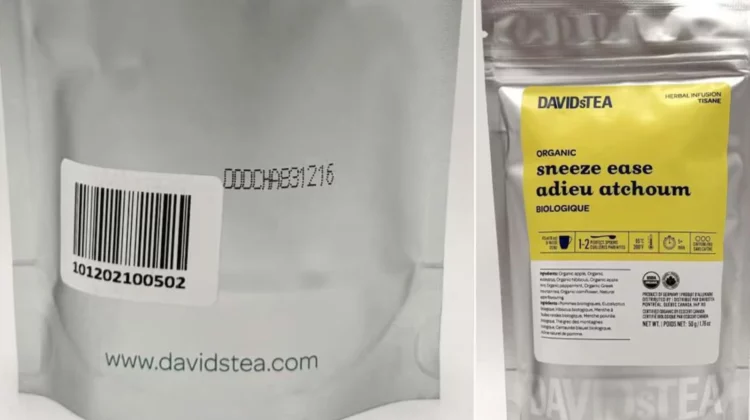
Consumers across Canada are being urged to check their kitchen shelves after a popular herbal tea product sold by DAVIDsTEA Inc. was recalled due to a potentially dangerous allergy risk. The recall involves the company’s 50-gram Organic Sneeze Ease Herbal Infusion tea, which may contain undeclared almonds, according to a warning issued by the Canadian Food Inspection Agency.
The announcement has raised concerns among Canadians with almond allergies or sensitivities, as consuming products containing undeclared allergens can lead to severe and potentially life-threatening reactions. Food safety officials are now investigating the issue while ensuring the affected products are removed from stores and online marketplaces.
Why the DavidsTea Product Was Recalled
The recall was announced after it was discovered that the affected herbal tea product may contain almond ingredients that were not listed on the packaging label. For individuals with nut allergies, especially almond allergies, the absence of proper labeling creates a significant health risk.
According to the Canadian Food Inspection Agency, consumers who are allergic or sensitive to almonds should not consume the product under any circumstances. The agency warned that exposure could trigger serious allergic reactions, including anaphylaxis, a medical emergency that can become fatal if not treated immediately.
Food recalls related to undeclared allergens are among the most common safety alerts in Canada and internationally. Health experts emphasize that transparent ingredient labeling is critical because even trace amounts of allergens can provoke dangerous immune responses in highly sensitive individuals.
Details About the Recalled Tea Product
The recalled product is identified as:
Product Information
- Product Name: Organic Sneeze Ease Herbal Infusion
- Brand: DAVIDsTEA
- Package Size: 50 grams
- Recall Location: Canada
- Reason for Recall: Undeclared almond
Consumers who purchased the product are advised to inspect packaging carefully and compare it with recall notices issued by authorities.
The herbal tea blend, marketed as a soothing infusion designed to support seasonal wellness, has been a popular choice among tea drinkers seeking caffeine-free alternatives. However, the undeclared almond concern has overshadowed the product’s popularity and prompted urgent action by both the company and federal regulators.
Health Risks Associated With Almond Allergies
Almond allergies can vary in severity from mild irritation to severe systemic reactions. In some cases, exposure to even tiny amounts of almond proteins can lead to life-threatening complications.
Common Symptoms of Almond Allergy Reactions
Mild Symptoms
- Itchy mouth or throat
- Skin irritation or hives
- Sneezing or nasal congestion
- Stomach discomfort
Severe Symptoms
- Difficulty breathing
- Swelling of the face or throat
- Rapid heartbeat
- Dizziness or fainting
- Anaphylactic shock
Medical professionals advise individuals experiencing severe allergic symptoms to seek emergency medical care immediately. Epinephrine injectors are commonly prescribed for people with severe nut allergies and can help reduce the severity of reactions during emergencies.
What Consumers Should Do Right Now
Canadian authorities have outlined several immediate steps for consumers who may have purchased the recalled product.
Stop Using the Product Immediately
Anyone with almond allergies or sensitivities should avoid consuming the tea. Even if only a small amount has been used, experts recommend discontinuing use until further information becomes available.
Check Kitchen Cabinets and Tea Collections
Consumers are encouraged to inspect their tea supplies carefully. Because herbal tea products are often stored for extended periods, some households may still have unopened or partially used packages.
Return or Dispose of the Product
The Canadian Food Inspection Agency has advised consumers to either:
- Throw the product away safely
- Return it to the store where it was purchased
Retailers have also been instructed not to sell or distribute the recalled tea.
How the Recall Was Triggered
The recall was initiated voluntarily by DAVIDsTEA itself, according to the agency’s statement. Company-triggered recalls are often viewed as a proactive measure that can help reduce risks to consumers before widespread health incidents occur.
As of Tuesday, no allergic reactions linked to the product had been officially reported. However, food safety officials often move quickly in allergy-related recalls because reactions can occur suddenly and unpredictably.
The absence of reported illnesses does not necessarily mean consumers were unaffected. Some allergic reactions may go unreported, while others may not immediately be connected to a specific food product.
The Role of the Canadian Food Inspection Agency
The Canadian Food Inspection Agency plays a central role in protecting Canadians from food safety hazards. The agency regularly monitors food products, investigates complaints, and coordinates recalls involving contamination, labeling errors, or other health concerns.
In this case, officials confirmed they are conducting an ongoing food safety investigation that may lead to additional recalls if other products are found to be affected.
What the Investigation Could Involve
The investigation may examine several key areas, including:
Manufacturing Processes
Inspectors may review how ingredients were handled during production to determine whether cross-contamination occurred.
Supply Chain Analysis
Authorities could investigate suppliers and ingredient sourcing to identify how almond traces entered the product.
Labeling and Packaging Procedures
Officials may examine whether there was a packaging or labeling error that caused almond ingredients to be omitted from the label.
Marketplace Verification
The agency also stated that it is working to verify recalled products are being removed from retail shelves and online platforms throughout Canada.
Food Allergy Recalls Are Increasingly Common
Food recalls linked to undeclared allergens have become more frequent in recent years. Experts attribute the trend to several factors, including complex supply chains, expanded ingredient sourcing, and heightened consumer awareness.
Common allergens that frequently trigger recalls include:
- Peanuts
- Tree nuts
- Milk
- Soy
- Eggs
- Wheat
- Sesame
For food manufacturers, proper labeling is not simply a regulatory requirement but a critical public safety responsibility. Errors involving allergens can expose companies to reputational damage, legal consequences, and consumer distrust.
Why Undeclared Allergens Are So Dangerous
Unlike some food safety concerns that may require consuming large amounts of contaminated products, allergens can trigger reactions from minute exposure levels. This makes accurate labeling especially important.
For consumers with severe allergies, trust in food labels is essential for daily safety. Many individuals rely entirely on ingredient declarations when selecting products in stores or online.
An undeclared allergen in a product marketed as herbal tea may be especially concerning because consumers may not expect nut ingredients in such beverages.
Impact on Consumer Confidence
The recall may affect consumer trust in both herbal tea products and food labeling practices more broadly. Many shoppers choose wellness-focused products specifically because they believe them to be safe and natural.
Brand reputation can suffer significantly when recalls involve allergen concerns, particularly among customers who prioritize transparency and ingredient safety.
However, experts note that rapid recalls and public communication are important steps in maintaining accountability. Companies that act quickly can potentially reduce harm and demonstrate commitment to consumer protection.
How Companies Handle Food Recalls
When food safety concerns arise, companies typically follow a structured recall process designed to limit public exposure.
Internal Review
Manufacturers first identify the scope of the issue and determine which products may be affected.
Notification to Regulators
Companies report the issue to regulatory agencies such as the Canadian Food Inspection Agency.
Public Recall Announcement
Authorities then publish recall notices to alert consumers, retailers, and distributors.
Product Removal
Retailers remove affected products from shelves while distributors halt shipments.
Corrective Actions
Manufacturers often review production systems and labeling procedures to prevent future incidents.
Understanding Cross-Contamination Risks
In some cases, undeclared allergens result from cross-contamination during manufacturing. This can happen when products containing nuts are processed using shared equipment that is not cleaned thoroughly between production runs.
Cross-contamination risks are particularly important in facilities that manufacture multiple products with varying ingredient profiles.
For allergy sufferers, even trace contamination can pose serious health threats. This is why many manufacturers include precautionary labels such as “may contain nuts” on products produced in shared facilities.
What Consumers Can Learn From This Recall
Food safety experts say consumers with allergies should remain vigilant even when purchasing familiar or trusted brands.
Read Labels Every Time
Ingredient formulations and manufacturing practices can change over time. Experts recommend checking labels with every purchase rather than assuming products remain unchanged.
Monitor Recall Alerts
Consumers can stay informed by following official food recall announcements from health authorities and food safety agencies.
Ask Questions About Ingredients
When purchasing products from cafes, restaurants, or specialty stores, consumers with allergies are encouraged to ask staff about ingredients and cross-contamination risks.
The Growing Importance of Food Transparency
Modern consumers increasingly expect detailed information about the products they buy. Transparency regarding ingredients, sourcing, and manufacturing practices has become a major factor influencing purchasing decisions.
Food recalls involving undeclared allergens highlight the importance of accurate communication between manufacturers and consumers. As dietary restrictions and allergy awareness continue to rise globally, food labeling standards are receiving increased scrutiny from regulators and advocacy groups.
Could More Products Be Recalled?
The Canadian Food Inspection Agency stated that its ongoing investigation could potentially lead to additional recalls. This means authorities may still be examining whether other products manufactured under similar conditions were also affected.
Consumers who regularly purchase herbal teas or specialty wellness beverages may wish to monitor updates closely over the coming days and weeks.
Retailers and distributors are also expected to cooperate fully with investigators to ensure all affected inventory is identified and removed promptly.
How Allergy Awareness Has Changed the Food Industry
Over the last decade, food allergy awareness has transformed how companies manufacture and market products. Many brands now emphasize allergen-friendly production practices and provide detailed labeling to reassure consumers.
The rise in food sensitivities and allergy diagnoses has increased demand for safer manufacturing systems, dedicated allergen-free facilities, and clearer ingredient disclosures.
At the same time, recalls like this demonstrate that mistakes can still occur despite advances in food safety technology and oversight.
Final Thoughts on the DavidsTea Recall
The recall of DAVIDsTEA’s Organic Sneeze Ease Herbal Infusion serves as another reminder of the serious risks posed by undeclared allergens in food and beverage products. While no allergic reactions had been reported at the time of the announcement, authorities acted quickly due to the potentially severe consequences for individuals with almond allergies.
Consumers are being urged to check their homes for the affected product and either dispose of it or return it to the retailer. Meanwhile, the Canadian Food Inspection Agency continues its investigation to determine whether additional products may be impacted.