
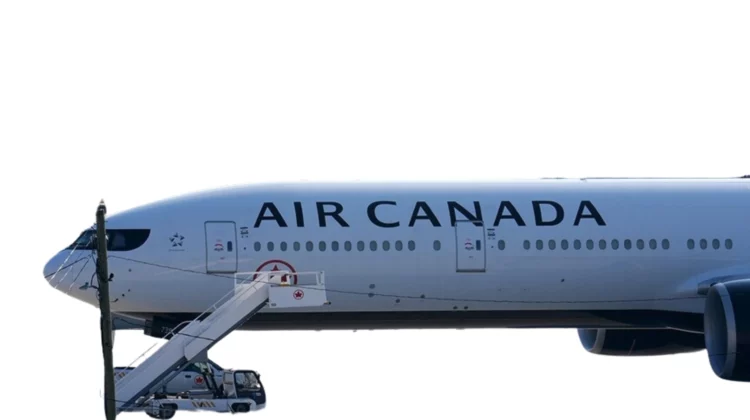
Air Canada has announced another round of flight suspensions as soaring jet fuel prices continue to impact airline operations worldwide. The carrier confirmed that four additional Canada-to-U.S. routes will be cut earlier than planned due to mounting operational costs tied to the ongoing conflict between the United States and Iran.
The airline had already suspended several domestic, cross-border, and international routes in April 2026. Now, the latest reductions highlight how deeply escalating fuel prices are affecting the aviation industry and Canadian travellers alike.
According to Air Canada, the decision was driven primarily by the sharp increase in jet fuel costs, which have surged amid geopolitical instability in the Middle East. The airline stated that affected passengers will receive alternate travel arrangements or full refunds where applicable.
The growing list of route cancellations has sparked concerns among travellers planning summer vacations, business trips, and international connections through major Canadian hubs such as Toronto, Vancouver, and Montreal.
Four Additional Canada-to-U.S. Flights Being Suspended
Air Canada confirmed that the following four routes between Canada and the United States will end earlier than originally scheduled for Summer 2026.
Toronto to Sacramento
The Toronto-to-Sacramento route will officially end on August 1, 2026. This route was introduced as a seasonal summer service aimed at both leisure and business travellers heading to California’s capital region.
Sacramento has become an increasingly popular destination for Canadians due to its proximity to Napa Valley, Lake Tahoe, and Northern California attractions. However, reduced demand combined with elevated operating expenses has forced the airline to suspend the service earlier than planned.
Vancouver to Raleigh
The Vancouver-to-Raleigh route will end on July 29, 2026.
This flight connected Western Canada to North Carolina’s growing technology and research hub. Raleigh has seen increased travel demand in recent years due to expanding tech industries and academic partnerships. Despite this growth, Air Canada said the route’s seasonal operation could not withstand the current cost pressures caused by record-high fuel prices.
Toronto to Charleston
Air Canada’s Toronto-to-Charleston service will end on September 6, 2026.
Charleston, South Carolina, has become a favourite destination for Canadians looking for coastal vacations, historic attractions, and southern hospitality. The route was designed to capitalize on summer tourism demand, but the airline will now shorten the operating season due to economic challenges affecting the aviation sector.
Montreal to Austin
The Montreal-to-Austin route will operate its final flight on September 7, 2026.
Austin has remained one of the fastest-growing business and entertainment destinations in the United States, attracting tech professionals, music fans, and entrepreneurs from across North America. While the route initially showed promise, Air Canada confirmed that seasonal services to Austin will conclude earlier than expected this year.
Air Canada Says Suspended Routes Could Return in 2027
Despite the cuts, Air Canada indicated that the four suspended U.S. routes are not permanently cancelled.
The airline described Sacramento, Raleigh, Charleston, and Austin as summer seasonal services and stated that they are expected to return during the Summer 2027 travel season if market conditions improve.
The airline emphasized that the suspensions are temporary and directly connected to the extraordinary rise in jet fuel prices rather than long-term demand issues.
Passengers affected by the cancellations are expected to receive direct communication from Air Canada regarding rebooking options, schedule changes, and refund eligibility.
Earlier Flight Suspensions Announced in April 2026
The newly announced route cuts add to a growing list of suspensions Air Canada revealed earlier this year.
In April 2026, the airline confirmed that seven other routes would either be temporarily suspended or cancelled altogether.
Domestic Routes Suspended by Air Canada
Fort McMurray to Vancouver
The Fort McMurray-to-Vancouver route was suspended effective May 28, 2026.
This route served Alberta’s oil and energy sector workers while also connecting northern communities to British Columbia. The suspension reflects reduced operational efficiency on certain domestic services during periods of elevated fuel costs.
Yellowknife to Toronto
The Yellowknife-to-Toronto route will be suspended effective August 30, 2026.
This cancellation is expected to affect northern travellers who rely on direct access to Eastern Canada for business, medical services, tourism, and family travel.
Canada-U.S. Flight Suspensions Previously Announced
Salt Lake City to Toronto
Air Canada suspended its Salt Lake City-to-Toronto service effective June 30, 2026.
The airline noted that the route suspension is temporary and currently expected to resume in 2027.
JFK to Toronto
Flights between New York’s JFK Airport and Toronto were temporarily suspended beginning June 1, 2026.
Air Canada stated that the route is expected to return on October 25, 2026, aligning with seasonal scheduling adjustments.
JFK to Montreal
The JFK-to-Montreal route was also temporarily suspended effective June 1, 2026.
Like the Toronto service, flights are currently expected to resume in late October 2026.
International Route Changes Affecting Air Canada Travellers
Guadalajara to Montreal
Air Canada had originally planned to launch a Guadalajara-to-Montreal route, but the service has now been suspended before operations even began.
The cancellation disappointed travellers hoping for expanded direct access between Canada and Mexico.
Algiers to Montreal
The Algiers-to-Montreal route has also been suspended for Summer 2026.
However, Air Canada says the route is expected to return in 2027 once market conditions stabilize and fuel costs become more manageable.
How the U.S.-Iran Conflict Is Affecting Global Airlines
The latest wave of flight suspensions comes as airlines worldwide struggle with the financial consequences of rising oil prices linked to tensions between the United States and Iran.
Geopolitical instability in the Middle East often has a direct impact on global oil markets because the region remains one of the world’s most important energy-producing areas. As tensions escalate, fears surrounding oil supply disruptions can send crude oil prices sharply higher.
For airlines, rising oil prices translate directly into higher jet fuel costs, one of the largest operating expenses in aviation.
Many airlines build their seasonal schedules months in advance based on expected fuel prices and travel demand. However, sudden geopolitical conflicts can dramatically change cost structures, forcing airlines to reduce capacity, suspend routes, or introduce additional passenger fees.
Canadian Travellers Face Higher Costs Across the Board
Air Canada is not the only Canadian airline making operational changes due to fuel prices.
WestJet has also announced capacity reductions and temporary fuel surcharges on select routes in an effort to manage growing expenses.
For travellers, the result has been a noticeable increase in airfare prices, baggage fees, and loyalty program redemption costs.
The combination of reduced flight availability and higher travel expenses is expected to continue throughout 2026 if fuel prices remain elevated.
Air Canada Introduces Fuel Surcharges on Some Flights
Earlier this year, Air Canada confirmed that temporary fuel surcharges would be added to certain flights.
Fuel surcharges are additional fees airlines apply to tickets in order to offset the rising cost of jet fuel. These fees can vary depending on route length, destination, and fare class.
Although airlines occasionally remove fuel surcharges when prices stabilize, continued geopolitical uncertainty could mean these extra charges remain in place for an extended period.
Travellers booking flights for late 2026 and early 2027 may continue to encounter fluctuating ticket prices as airlines adjust to changing market conditions.
Checked Baggage Fees Also Increasing for Air Canada Customers
In addition to route suspensions and fuel surcharges, Air Canada has increased checked baggage fees for several fare categories.
Passengers travelling on Economy Basic, Standard, or Flex fares purchased on or after April 13, 2026, are now paying more for checked luggage.
The fee increases are part of broader cost-management efforts as airlines attempt to offset rising operational expenses.
Industry analysts say ancillary fees such as baggage charges have become an increasingly important revenue source for airlines facing economic uncertainty.
Aeroplan Members Will Soon Need More Points for Flights
Frequent flyers are also being impacted by the latest changes.
Air Canada confirmed that Aeroplan members will soon require more points to redeem flights on many routes. This adjustment reflects broader pricing changes across the airline industry as carriers attempt to balance loyalty rewards with rising operational costs.
For many travellers, this means reward flights could become more expensive despite accumulating the same number of loyalty points.
Experts recommend that Aeroplan members monitor upcoming redemption changes carefully and consider booking sooner rather than later if they are planning travel for 2026 or 2027.
What Travellers Should Do If Their Flight Is Suspended
Passengers affected by Air Canada’s suspended routes should monitor their email and booking details closely.
The airline says affected customers will receive communication regarding alternate flight arrangements or refund options. Depending on availability, travellers may be rebooked on alternate routes through different connecting cities.
Travellers are also encouraged to review fare conditions, refund eligibility, and travel insurance coverage to understand their options fully.
Those with flexible travel dates may find better pricing and availability by adjusting departure schedules or considering alternate airports.
Aviation Industry Faces Ongoing Uncertainty
The aviation industry continues to navigate one of its most unpredictable operating environments in years.
While travel demand remains relatively strong following the post-pandemic recovery period, airlines are now confronting a different set of challenges, including volatile fuel markets, geopolitical instability, inflation, and shifting consumer spending habits.
Air Canada’s growing list of route suspensions reflects broader industry concerns about maintaining profitability during periods of rapidly rising costs.
Whether additional routes will face cuts later in 2026 may depend largely on how global fuel markets respond to ongoing international tensions.