
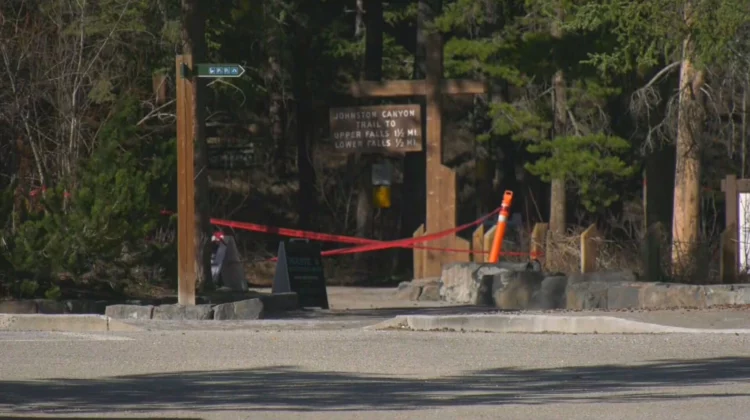
A 25-year-old American tourist visiting Alberta, Canada, is believed to have died after jumping into fast-moving water at Johnston Canyon in Banff National Park. The incident occurred on Friday evening, shortly after 6:30 p.m., during a visit with friends from Pennsylvania.
According to the Royal Canadian Mounted Police, the man entered the water and did not resurface. Despite immediate concern and ongoing search efforts, authorities say recovery operations remain extremely difficult due to powerful currents and hazardous conditions.
RCMP spokesperson Cpl. Mathew Howell stated that while officials have not yet recovered the body, the circumstances strongly suggest the man likely drowned. The case has deeply affected both local authorities and the visiting community, as search teams continue to work under challenging conditions.
What Happened at Johnston Canyon
A Popular but Dangerous Natural Attraction
Johnston Canyon, located west of the town of Banff in Alberta, is one of the most visited natural attractions in Banff National Park. Known for its dramatic limestone cliffs, turquoise waters, and waterfalls, the canyon draws thousands of tourists each year.
Despite its beauty, parts of the canyon are known to be extremely hazardous. Fast-flowing water, slippery rocks, and steep drop-offs make it a location where strict safety rules are enforced.
On the evening of the incident, the tourist reportedly entered the canyon’s water system and jumped into a fast-moving section of the river. Witnesses indicated that he was quickly swept away by the current and disappeared beneath the surface.
Authorities confirmed that he did not resurface after the jump, prompting immediate concern and triggering search and rescue efforts.
Immediate Response at the Scene
Park visitors and companions alerted authorities soon after the man went missing in the water. Emergency responders were notified, and search operations began shortly afterward.
However, the conditions in the canyon complicated the response from the beginning. Water levels were high due to seasonal snowmelt, and visibility in the water was extremely poor.
Rescue and Recovery Efforts Under Extremely Difficult Conditions
Search Operations Led by RCMP and Parks Canada
The Royal Canadian Mounted Police, along with Parks Canada officials, have been coordinating the search efforts since the incident occurred. Teams have been attempting to locate the missing man using available technology and surface search methods.
However, diving operations have not been possible due to the dangerous nature of the canyon’s terrain and the speed of the water. Officials confirmed that strong currents and submerged hazards make it unsafe for divers to enter the area.
Instead, search teams have been using remote cameras and observation tools to scan the water. Even with this equipment, visibility remains extremely limited.
Challenges Created by Spring Melt Conditions
One of the biggest obstacles in the search is the annual spring melt. As snow from surrounding mountains begins to thaw, rivers and streams in the Banff area swell rapidly.
This seasonal change dramatically increases water volume and speed, turning otherwise manageable waterways into powerful torrents. In Johnston Canyon, these conditions can create unpredictable surges, underwater turbulence, and hidden whirlpools.
Authorities noted that the combination of fast current, rocky terrain, and murky water has made it nearly impossible to visually confirm the location of the missing individual.
Why Spring Melt Makes Mountain Waters So Dangerous
Sudden Increases in Water Flow
During spring, melting snow from the Canadian Rockies feeds directly into rivers and creeks throughout Banff National Park. This process can cause water levels to rise significantly within hours or days.
What may appear as a calm stream at one moment can quickly transform into a forceful, fast-moving river capable of carrying heavy debris and pulling people off their feet instantly.
Cold Temperatures and Hypothermia Risk
Even when air temperatures are relatively mild, the water in mountain-fed rivers remains extremely cold. Exposure can quickly lead to loss of muscle control and hypothermia, reducing a person’s ability to swim or stay afloat.
Hidden Hazards Beneath the Surface
Rivers like the one in Johnston Canyon often contain submerged rocks, sudden drop-offs, and strong undercurrents. These features are not always visible from above the surface, making them particularly dangerous for swimmers or anyone entering the water.
Safety Rules and Restrictions in Banff National Park
Clear Warnings Against Entering Waterways
Banff National Park is known for its strict safety regulations designed to protect visitors. In areas such as Johnston Canyon, signage clearly indicates that entering the water is not permitted.
These warnings are placed due to the unpredictable and dangerous nature of the terrain. Despite this, some visitors underestimate the risks, especially in visually appealing locations where water may appear calm or inviting.
Park Infrastructure Designed for Safe Viewing
To allow visitors to experience the canyon safely, Parks Canada has constructed designated walking paths, catwalks, and viewing platforms. These structures are intended to keep people at a safe distance from hazardous water zones while still allowing scenic views.
Officials emphasize that leaving marked paths or entering restricted areas significantly increases the risk of accidents.
Official Response and Ongoing Investigation
Statement from Parks Canada
Parks Canada issued a public statement expressing condolences to the family and loved ones of the missing tourist. The agency confirmed that Johnston Canyon has been closed until further notice as search operations continue.
The closure is intended both to support recovery efforts and to ensure public safety, as conditions in the area remain unstable.
RCMP Perspective on the Incident
Cpl. Mathew Howell of the RCMP stated that while recovery has not yet been possible, the situation is being treated with the understanding that the man is likely deceased.
He described the incident as a tragedy and emphasized the emotional impact on the family, who are in contact with authorities despite not being present at the park during the incident.
Howell also highlighted the broader safety message, noting that national parks contain both beauty and serious risks. He stressed that restricted areas and warning signs exist for a reason and are based on real dangers that have led to past incidents.
Impact on Family and Visiting Friends
The missing man was traveling with friends from Pennsylvania when the incident occurred. According to officials, his relatives were not present at the park but have been informed and are in communication with Canadian authorities.
While details of the family’s response have not been publicly shared, RCMP officials acknowledged the emotional difficulty of the situation and extended sympathy to those affected.
Incidents like this often leave families dealing with uncertainty, especially when recovery efforts are delayed due to environmental conditions.
Tourism, Risk Awareness, and Visitor Behavior
The Appeal and Risk of Natural Attractions
Banff National Park is one of Canada’s most iconic destinations, attracting millions of visitors annually. Its dramatic landscapes, waterfalls, and hiking trails make it a popular location for international tourists.
However, the same natural features that draw visitors also pose serious risks. Fast water currents, unstable terrain, and unpredictable weather conditions require constant awareness and caution.
Misjudging Natural Environments
Authorities often warn that visitors unfamiliar with mountain environments may underestimate the danger of rivers and waterfalls. Clear water and scenic surroundings can create a false impression of safety.
In reality, many accidents occur when individuals step beyond designated safe zones or attempt to enter water systems for recreation or photography.
Lessons From the Johnston Canyon Incident
Respecting Natural Forces
One of the clearest lessons from this incident is the importance of respecting natural water systems. Even shallow or visually calm sections of rivers can conceal powerful currents capable of sweeping a person away within seconds.
Importance of Heeding Warning Signs
Park signage and restrictions are placed based on environmental assessments and historical incidents. Ignoring these warnings can place individuals in life-threatening situations.
Seasonal Awareness Matters
Conditions in mountainous regions change rapidly depending on the time of year. Spring melt, in particular, transforms waterways into highly dangerous environments that are not suitable for swimming or wading.
Conclusion: A Sobering Reminder of Nature’s Power
The ongoing search for the missing American tourist at Johnston Canyon underscores the unpredictable and often unforgiving nature of mountain environments. While Banff National Park offers breathtaking scenery and unforgettable experiences, it also demands respect for its natural hazards.
Authorities continue recovery efforts despite extremely difficult conditions, while also reinforcing a broader message to visitors: natural beauty must be experienced from a safe distance when conditions and regulations require it.