With inflation and the cost of living continuing to squeeze Canadian households, even retirees aren’t immune to financial pressure. Yet many are still prioritizing vacations and leisure spending—an understandable reward after years of hard work. But before you book that trip, it’s important to understand how certain financial decisions can unintentionally compromise your Old Age Security (OAS) benefits.
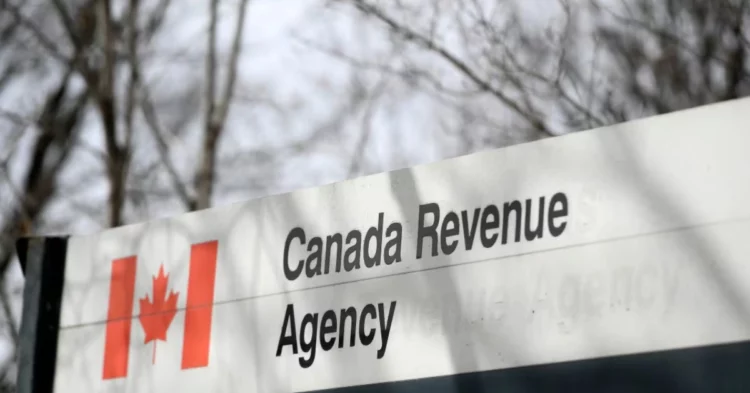
If you’re retired and collecting OAS, the Canada Revenue Agency (CRA) has outlined several key risks that could lead to clawbacks or even full loss of your monthly benefits. Here’s what you need to know.
Table of Contents
What Retirees Need to Watch: The 3 OAS Red Flags That Could Cost You
1. Investment Income Could Trigger OAS Clawbacks
Many savvy retirees rely on investments to supplement their pension, which is often not enough to cover all living expenses. However, earning too much investment income can backfire. The CRA assesses your entire net income when determining whether your OAS should be reduced.
That includes:
- Canada Pension Plan (CPP) payments
- Company or private pensions
- Capital gains
- Interest and dividend income
In 2025, the clawback threshold begins at $90,997. If your total income—boosted by portfolio returns or rental income—surpasses this limit, your OAS benefits can be reduced or even eliminated.
2. Failure to Report All Income Sources
Another major risk is forgetting to report every source of income. This is especially common with retirees who hold dividend-paying stocks in non-registered (taxable) accounts. Even small amounts of unreported income can trigger CRA audits or penalties, thanks to the agency’s enhanced tax-matching technology.
Omitting income, even unintentionally, could result in:
- Interest charges
- Financial penalties
- Full reassessment of your tax return
Don’t assume anything is too small to matter—report all tax slips, including those from dividend payments and capital gains.
3. Overdrawing from RRSPs Without Planning
With the cost of living rising, many retirees are dipping into Registered Retirement Savings Plans (RRSPs) to make up the difference. However, unplanned or excessive withdrawals can push your taxable income over the OAS clawback limit or even into a higher tax bracket.
RRSP withdrawals are fully taxable, and when combined with other income sources, could result in:
- OAS clawbacks
- Higher tax liability
- Loss of income-tested government benefits
It’s crucial to track withdrawals throughout the year and consult a tax professional if you’re unsure of your income limits.
A Smarter Strategy: Use Tax-Free Savings Accounts to Avoid Penalties
To sidestep these risks, consider putting more of your investments in a Tax-Free Savings Account (TFSA). Unlike RRSPs, income generated in a TFSA—whether from dividends, interest, or capital gains—is not taxed and does not count toward your OAS clawback threshold.
Benefits of Using a TFSA:
- Tax-free growth on investments
- No tax on withdrawals
- No impact on government benefit eligibility
The TFSA has grown from a simple savings tool into a powerful vehicle for tax-efficient investing, especially for retirees. You can hold income-generating assets like dividend stocks, bonds, or REITs within the account for maximum flexibility and protection from tax-related surprises.
Investment Idea: Fortis Stock Offers Stability and Growing Dividends
If you’re looking for a stable, income-producing investment to hold in a TFSA, Fortis Inc. (TSX:FTS) is worth considering.
Why Fortis Is a Top Pick for Retirees:
- Operates essential electric and gas utilities in Canada, the U.S., and the Caribbean
- Generates consistent, regulated revenue
- Has increased dividends annually for over 50 years
- Currently offers a 3.8% dividend yield (as of writing)
Fortis’s predictable income and recession-resistant business make it an ideal candidate for tax-sheltered accounts. Holding shares in a TFSA allows retirees to enjoy growing dividends without impacting their OAS eligibility.
Final Thoughts: Enjoy Retirement, But Stay OAS-Savvy
Retirement should be about enjoying life—but it also requires smart planning. Ignoring income limits, failing to report income, or mishandling RRSP withdrawals can jeopardize your OAS benefits, leading to unpleasant financial surprises.