
At first glance, the global clean energy transition in 2026 might appear stalled, politically contested, and uneven. In the United States in particular, federal policy under the Trump administration has actively attempted to slow or block renewable energy expansion through regulatory pressure, legal challenges, and administrative delays. Many observers expected this to weaken momentum significantly.
Yet beneath the political turbulence, a different story has been unfolding in real time. Renewable energy has not only persisted but reached a historic milestone. In March 2026, for the first time on record, the United States generated more electricity from renewable sources such as solar and wind than from natural gas over a full month, according to Ember data. This marks a structural shift in energy production, not a temporary fluctuation.
Even more striking is what is happening in new capacity additions. In 2026, approximately 93 percent of all newly installed electricity generation capacity is projected to come from renewables and battery storage, while fossil fuels account for just 7 percent. This imbalance reflects not ideology but economics. Solar, wind, and storage are now faster to build, cheaper to deploy, and increasingly more reliable than conventional fossil fuel plants.
This article explores how this transition is unfolding despite political resistance, why it is accelerating globally, and what it means for energy prices, climate outcomes, geopolitical stability, and long-term economic security.
The March Milestone: Renewables Surpassing Natural Gas in the United States
A structural shift, not a seasonal anomaly
The most significant development in recent U.S. energy history occurred in March 2026 when renewable electricity generation exceeded that of natural gas for an entire month. This was not driven by an isolated weather event or temporary surge in hydro output. Instead, it reflected the growing baseline strength of solar and wind generation combined with rapidly expanding grid-scale battery storage.
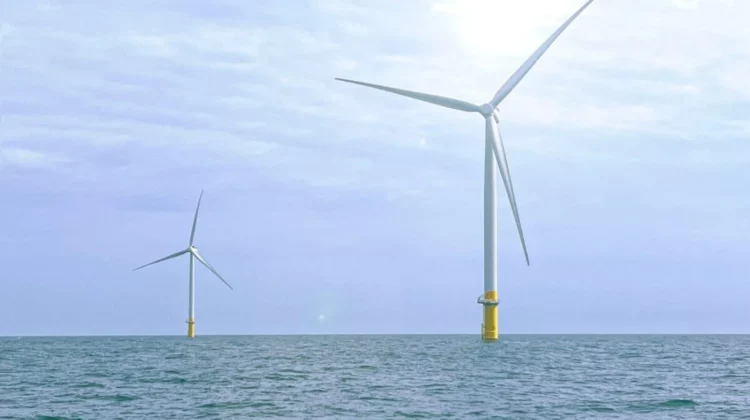
Solar power continues to scale aggressively due to declining installation costs and improved panel efficiency. Wind energy, particularly in the Midwest and offshore regions, has benefited from larger turbine designs and better grid integration. Meanwhile, battery storage has begun smoothing out intermittency issues, allowing renewables to contribute more consistently across daily demand cycles.
Natural gas, while still important for peak demand and backup power, is increasingly losing its dominance in incremental generation growth.
Why this matters for the energy transition
Crossing this threshold signals something deeper than a statistical milestone. It indicates that renewable energy is no longer marginal or supplemental. It is becoming foundational to electricity systems even in large, complex economies.
Historically, fossil fuels gained dominance because they were energy dense, controllable, and relatively cheap at scale. That advantage is eroding. The modern grid is being reshaped by distributed generation, digital control systems, and storage technologies that reduce reliance on centralized combustion-based power plants.
The Economics Driving Clean Energy Expansion
Falling costs and faster deployment cycles
One of the most important forces behind renewable energy expansion is cost competitiveness. Over the past decade, the cost of solar and wind generation has fallen dramatically due to improvements in manufacturing scale, materials science, and supply chain optimization.
Today, solar farms and wind projects can often be built in months rather than years, while gas and coal plants require long permitting timelines, fuel infrastructure development, and higher financing costs. This speed advantage has become a decisive factor for utilities and private investors seeking faster returns.
Battery storage has added another layer of economic advantage by allowing renewable systems to deliver power more predictably and reduce reliance on expensive peaker plants.
The impact on electricity prices
A common misconception is that renewable energy significantly increases electricity costs. However, data over the past decade shows that wind and solar account for less than 5 percent of total increases in retail electricity prices. In many regions, they have actually helped stabilize or reduce wholesale electricity costs by lowering marginal generation prices during peak production periods.
The key challenge is no longer whether renewables are cost-competitive, but how quickly grids can adapt to integrate them at scale.
Policy Conflict and Political Resistance in the United States
Administrative delays and legal barriers
Despite strong market forces, political resistance continues to shape the pace of energy transition in the United States. Federal actions under the Trump administration have introduced regulatory uncertainty, including permitting delays, legal challenges to renewable projects, and attempts to prioritize fossil fuel infrastructure.
These measures do not stop renewable deployment entirely, but they increase project timelines and financing risks. Infrastructure projects that could move quickly are often slowed by court injunctions or administrative review processes.
The cost of political friction
Delays in clean energy deployment carry real economic and environmental costs. Slower renewable adoption means continued reliance on fossil fuels, higher exposure to fuel price volatility, and increased greenhouse gas emissions.
Global emissions reached a new record high in 2025, rising by approximately 0.4 percent compared to 2024. While many factors contributed, energy policy uncertainty in major economies plays a role in shaping long-term emissions trajectories.
Global Energy Security and the Fossil Fuel Paradox
Rising profits amid global instability
Despite the rapid expansion of renewable energy, fossil fuel companies continue to generate enormous profits due to geopolitical instability and supply disruptions.
Recent analysis by Oxfam International estimates that six major oil companies are collectively earning nearly $3,000 per second in 2026, translating into tens of millions of dollars per day. These profits are largely driven by volatile oil prices triggered by conflicts, shipping disruptions, and production constraints.
This highlights a paradox in the global energy system: fossil fuels are becoming both highly profitable and increasingly unstable.
Strategic oil releases and market shocks
In response to geopolitical disruptions, international actors have repeatedly turned to strategic petroleum reserves. In one major coordinated effort, approximately 400 million barrels of oil were released to stabilize global markets following supply shocks linked to conflict in the Middle East.
While such releases temporarily stabilize prices, they represent only a short-term buffer. At global consumption levels, such reserves can offset demand for only a few days.
Maritime chokepoints and energy vulnerability
Critical shipping routes such as the Strait of Hormuz remain central to global energy security. Roughly one-fifth of global oil supply passes through this corridor. Even minor disruptions can trigger global price volatility, affecting everything from fuel prices to fertilizer costs and food security.
These vulnerabilities underscore the structural risks of continued dependence on fossil fuel supply chains.
Corporate Accountability and Climate Claims
Legal pressure on greenwashing
Corporate climate accountability is also tightening. A landmark ruling in France found oil major TotalEnergies guilty of misleading environmental claims related to its climate pledges. This decision marked one of the first major legal precedents against fossil fuel greenwashing.
Such rulings are reshaping how corporations communicate sustainability goals. Companies are increasingly required to substantiate climate claims with measurable data rather than marketing language.
Market transparency and investor pressure
Investors are also demanding greater transparency regarding emissions, transition risk, and long-term exposure to stranded fossil fuel assets. This is accelerating capital flows into renewable energy, storage technologies, and electrification infrastructure.
Geopolitics and the Accelerating Energy Transition
Energy as a driver of global instability
Energy systems are increasingly intertwined with geopolitical tensions. Conflicts affecting oil-producing regions have immediate global consequences due to supply chain dependencies. This creates a feedback loop where political instability increases fossil fuel prices, which in turn increases inflationary pressure worldwide.
The shift toward decentralization
Renewable energy offers a structural alternative to this vulnerability. Unlike fossil fuels, solar and wind resources are geographically distributed. This reduces reliance on concentrated supply routes and politically sensitive regions.
Countries investing heavily in renewables are increasingly viewing energy transition not only as a climate strategy but as a national security strategy.
Reconsidering global alliances and supply chains
Even within traditional energy alliances such as OPEC, internal tensions are emerging. Some member states are reconsidering long-term strategies as electrification reduces oil demand growth prospects. Discussions about diversification and flexibility suggest that even fossil fuel exporters recognize the long-term shift underway.
Electrification and the Future of Energy Systems
Beyond electricity generation
The energy transition is no longer limited to power generation. It is expanding into transportation, heating, and industrial processes. Electric vehicles, heat pumps, and industrial electrification are gradually replacing combustion-based systems.
This broader electrification trend is essential for reducing emissions across the economy, not just in the electricity sector.
The role of innovation and system integration
Modern energy systems increasingly depend on digital grid management, smart demand response, and real-time optimization. These innovations allow renewable-heavy grids to operate more efficiently and reliably than earlier models suggested.
As integration improves, the historical argument that renewables are inherently unstable is becoming less relevant.
Conclusion: A Transition Driven by Economics, Not Idealism
The global energy transition in 2026 is not proceeding in a straight line. It is shaped by political resistance, geopolitical instability, market volatility, and infrastructure constraints. Yet the underlying direction remains clear.
Renewable energy is expanding because it is increasingly the most practical and cost-effective option available. Solar, wind, and battery storage are now dominating new capacity additions in most major economies. Even in politically hostile environments, market forces continue to push in the same direction.
The United States milestone of surpassing natural gas for a full month of electricity generation from renewables is not an endpoint. It is an early indicator of a broader structural transformation.