
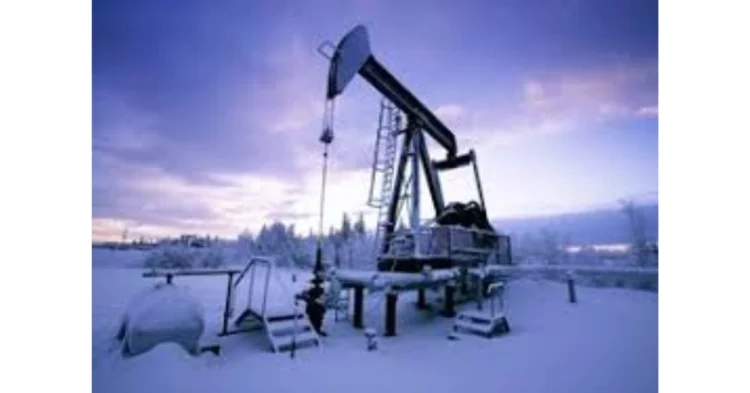
The planned closure and long-term reclamation of the Norman Wells oilfield in the Northwest Territories marks one of the most complex industrial decommissioning efforts in Canada’s North. After more than a century of oil extraction, the site operated by Imperial Oil is now entering a regulated abandonment and environmental assessment phase designed to manage environmental impacts, ensure financial responsibility, and guide restoration of the land.
At the center of this process are multiple regulatory authorities, including the Canada Energy Regulator and the Mackenzie Valley Review Board, which are working alongside federal ministers, Indigenous governance structures, and local stakeholders to evaluate the final closure plan and determine the long-term environmental future of the site.
This article provides a detailed explanation of the environmental assessment process, regulatory oversight, financial assurances, timeline, and broader implications of shutting down one of Canada’s longest-operating oilfields.
The Norman Wells Oilfield and Its Century-Long Industrial Legacy
Early development and historical significance
The Norman Wells oilfield is one of Canada’s oldest oil-producing sites, with operations stretching back over 100 years. Located along the Mackenzie River in the Northwest Territories, the field has played a significant role in northern resource development and energy supply chains.
Over its long operational history, the site has undergone various expansions, technological upgrades, and ownership and regulatory transitions. The cumulative effect of such extended industrial activity has left a substantial environmental footprint that now requires structured remediation.
Transition from production to decommissioning
As production winds down, the focus has shifted from extraction to closure planning. This includes dismantling infrastructure, managing contaminated soils, restoring disturbed land, and ensuring long-term monitoring of environmental conditions.
The transition is not immediate. Instead, it is governed by a staged regulatory process that can extend for decades, reflecting the complexity of restoring ecosystems affected by long-term industrial activity in sensitive northern environments.
Regulatory Oversight and Governance Structure
Role of the Canada Energy Regulator
The Canada Energy Regulator is responsible for overseeing the abandonment and reclamation process at Norman Wells. According to regulatory communications, the agency will continue monitoring the site throughout its entire closure phase.
The regulator’s responsibilities include ensuring compliance with project conditions, environmental standards, safety codes, and approved operational commitments. It also has the authority to enforce corrective actions if requirements are not met.
A key part of its role is to review and approve authorization applications related to final abandonment activities, ensuring that all technical and environmental requirements are satisfied before physical reclamation begins.
Mackenzie Valley Review Board environmental assessment role
The Mackenzie Valley Review Board is conducting a formal environmental assessment as part of the closure process. This assessment evaluates the environmental and socio-economic impacts of shutting down the oilfield and restoring the site.
The board’s role is particularly important because it helps define mitigation measures that may be legally binding under territorial and federal legislation. Its findings can shape how reclamation is conducted and what standards must be met during cleanup.
Decision-making authority and ministerial oversight
Once the environmental assessment is complete, recommendations are submitted to the responsible ministers and regulatory bodies. These authorities may adopt the recommendations fully, modify them, or reject them.
This layered decision-making structure reflects the complexity of balancing industrial closure with environmental protection, Indigenous rights, and long-term regional development planning.
Environmental Assessment Process for Closure
Two-part approach to missing information
The Review Board has identified gaps in the information provided in earlier closure planning documents submitted by Imperial Oil. In response, it has adopted a structured two-step approach.
The first step requires updating the Closure and Reclamation Plan to align with current Mackenzie Valley Land and Water Board guidelines. This ensures that the plan reflects modern environmental standards and incorporates sufficient technical detail for evaluation.
The second step requires Imperial Oil to submit a comprehensive project description to the Review Board. This document must clearly outline the scope of closure activities, environmental risks, mitigation strategies, and long-term monitoring plans.
Evaluation of environmental and socio-economic impacts
The environmental assessment process is not limited to ecological impacts alone. It also evaluates potential socio-economic consequences, including effects on local employment, Indigenous communities, and regional economic activity.
Given the long operational history of the oilfield, the closure process is expected to have both short-term and long-term impacts on employment patterns and business opportunities in the region.
Development of mitigation measures
After reviewing updated documentation, the Review Board may prescribe mitigation measures under its legal authority. These measures could include requirements for soil remediation, water monitoring, habitat restoration, or ongoing environmental surveillance.
Such measures are intended to reduce environmental harm and ensure that the site is restored to a condition that is safe for future use, whether ecological, cultural, or limited industrial purposes.
Financial Security and Environmental Liability Management
Long-standing financial assurance mechanisms
A key component of the Norman Wells closure plan is the financial security framework maintained by Imperial Oil. These financial assurances ensure that sufficient funds are available to cover reclamation costs even if operational or corporate conditions change.
According to regulatory records, Imperial Oil has maintained financial securities since 1995. These include a promissory note of approximately 26 million dollars and a continuing guarantee and undertaking valued at approximately 75 million dollars.
Additional security deposits under environmental legislation
Beyond these long-term securities, Imperial Oil has also provided a substantial letter of credit valued at approximately 180.9 million dollars. This deposit is tied to water licensing conditions and is governed under territorial resource management legislation.
These financial mechanisms are designed to ensure that reclamation obligations are fully funded and that taxpayers are not exposed to cleanup liabilities.
Compliance with federal regulatory frameworks
These securities are established under frameworks such as the Canada Oil and Gas Operations Act and territorial land and water management regulations. They represent a layered financial assurance system that combines corporate responsibility with regulatory enforcement.
Closure Timeline and Long-Term Reclamation Strategy
Planned cessation of oilfield operations
According to company communications, the formal closure of the Norman Wells oilfield is targeted for the third quarter of the current planning cycle. However, this does not mean immediate environmental restoration will begin.
Instead, the shutdown phase involves decommissioning infrastructure, securing facilities, and preparing detailed reclamation strategies that must be approved by regulators.
Post-closure reclamation timeline
Reclamation work is not expected to begin until after 2030. This delay is linked to the requirement that the environmental assessment be completed and all regulatory approvals be secured.
The full reclamation process is projected to extend for more than 20 years. This extended timeline reflects the scale of environmental restoration required and the logistical challenges of operating in a remote northern environment.
Multi-phase restoration strategy
The reclamation process is expected to occur in multiple phases, including:
Infrastructure dismantling and removal
Soil remediation and contamination management
Water quality monitoring and restoration
Vegetation re-establishment and habitat recovery
Long-term environmental monitoring and reporting
Each phase must meet regulatory approval before progressing to the next stage.
Indigenous and Local Community Considerations
Economic and employment impacts
The closure and reclamation of the oilfield will have significant implications for local employment. While operational jobs in extraction will decline, reclamation activities are expected to generate new employment opportunities over the long term.
According to Imperial Oil communications advisor statements, the reclamation phase is expected to support long-term employment opportunities for Indigenous and local businesses, particularly in environmental monitoring, construction, and logistical support.
Participation in regulatory processes
Indigenous communities in the region play an important role in environmental oversight through consultation and participation in regulatory reviews. Their input helps shape mitigation strategies and ensures that cultural and ecological values are considered in decision-making.
Long-term land stewardship considerations
The reclamation process also raises broader questions about land stewardship and future land use. Restoring the area to a condition that supports traditional land use, wildlife habitat, and ecological balance is a key objective of the environmental assessment process.
Key Challenges in the Closure and Reclamation Process
Environmental complexity and legacy impacts
One of the main challenges in closing the Norman Wells oilfield is addressing the cumulative environmental impact of more than a century of extraction. This includes potential soil contamination, altered hydrology, and infrastructure-related disturbances.
The complexity of these impacts means that full restoration may take decades and may not fully return the site to its original ecological state.
Remote location and logistical constraints
The site’s location in the Mackenzie Valley region presents logistical challenges for cleanup operations. Limited access, seasonal weather conditions, and transportation constraints can all slow the pace of reclamation work.
These factors also increase costs and complicate the coordination of large-scale remediation activities.
Regulatory coordination across multiple authorities
Another challenge lies in coordinating approvals and oversight among multiple regulatory bodies, including the Canada Energy Regulator, territorial boards, and federal ministers.
This multi-layered governance structure is necessary for accountability but can also extend timelines due to procedural requirements and overlapping jurisdictional responsibilities.
Future Outlook for the Norman Wells Site
Long-term environmental monitoring
Even after physical reclamation is complete, long-term environmental monitoring will likely continue for years or decades. This is essential to ensure that restored ecosystems remain stable and that any residual contamination is detected early.
Potential for land recovery and ecological restoration
Over time, the goal is to return much of the disturbed area to a self-sustaining ecological state. This includes re-establishing vegetation, restoring wildlife habitats, and ensuring water systems remain clean and functional.
Broader implications for Canada’s energy transition
The closure of one of Canada’s oldest oilfields also reflects broader shifts in the country’s energy landscape. As older fossil fuel projects are phased out, attention is increasingly focused on environmental restoration, regulatory accountability, and transition planning for affected communities.
Conclusion
The environmental assessment and closure of the Norman Wells oilfield represent a major milestone in Canada’s resource management history. Guided by the oversight of the Canada Energy Regulator and the Mackenzie Valley Review Board, and carried out by Imperial Oil under strict financial and regulatory obligations, the process highlights the complexity of winding down long-lived industrial operations.