
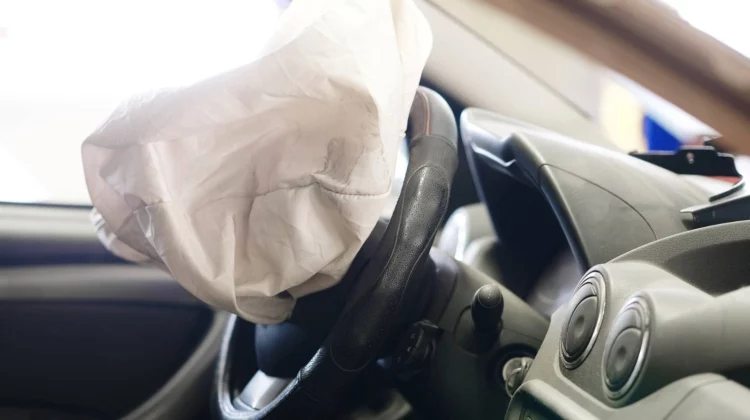
More than 5,400 Hyundai vehicles in Canada are being recalled following the discovery of a potential defect in the airbag safety system. The issue involves certain models of the 2026 Hyundai Tucson, including both hybrid and plug-in hybrid versions, and centers on improperly manufactured side-impact sensors.
Transport Canada issued a safety notice explaining that the defect could affect how airbags deploy during a collision. According to the agency, the side-impact sensors in some vehicles may not meet required manufacturing standards, which could lead to improper operation of both driver and front passenger airbags in a crash scenario.
Officials warned that airbags failing to deploy correctly or at the right time could significantly increase the risk of injury for vehicle occupants.
What the Airbag Defect Means for Vehicle Safety
Role of Side-Impact Sensors in Modern Airbag Systems
Side-impact sensors are a critical component in a vehicle’s passive safety system. In modern vehicles like the Hyundai Tucson, these sensors detect sudden changes in acceleration or force caused by a collision from the side. Once triggered, they send a signal to deploy airbags almost instantly.
Airbags are designed to inflate within milliseconds of impact, creating a cushioning barrier between passengers and hard interior surfaces such as the dashboard, steering wheel, and door panels. In side collisions, accurate sensor data is especially important because the timing window for protection is extremely short.
If these sensors malfunction or are manufactured incorrectly, they may fail to detect a crash or may send delayed or inaccurate signals. In such cases, airbags may not deploy when needed or may deploy improperly, reducing their effectiveness.
Increased Risk in Real-World Crashes
Transport Canada emphasized that defective airbags do not necessarily mean they will always fail, but even a small delay or malfunction can have serious consequences in a collision. Airbags are designed as a supplementary restraint system, working alongside seatbelts to reduce injury severity.
When airbags fail to deploy properly, occupants may be exposed to higher forces during impact. This can result in more severe injuries, particularly to the head, chest, and upper body.
Even vehicles equipped with advanced safety features such as lane assist, automatic braking, and reinforced frames still rely heavily on airbags as a final line of protection during crashes.
Details of the Hyundai Recall in Canada
Vehicles Affected by the Issue
The recall affects the 2026 Hyundai Tucson, specifically hybrid and plug-in hybrid variants. According to the official notice, approximately 5,439 vehicles in Canada are impacted by the defect.
The Hyundai Tucson is a compact SUV widely used for both personal and family transportation, making the recall particularly significant given its popularity and safety reputation.
Although the issue is currently identified in Canadian vehicles, similar models in other markets may also be under review depending on manufacturing batches and supplier quality checks.
The Source of the Defect
The problem has been traced to side-impact sensors that may not have been manufactured properly. While Transport Canada did not provide extensive technical details about the exact manufacturing flaw, such issues typically arise from inconsistencies in assembly, calibration errors, or component defects supplied by third-party manufacturers.
Automotive sensors are produced with extremely precise tolerances. Even minor deviations can affect how they interpret crash data. If a sensor misreads impact force or fails to register a collision entirely, it can disrupt the entire airbag deployment sequence.
Manufacturer Response and Recall Procedure
Hyundai’s Notification Process
Hyundai is expected to contact all affected vehicle owners directly in writing. These notifications will inform drivers that their vehicle is part of the recall and provide instructions on the next steps.
In most automotive recalls, manufacturers are required to communicate clearly with customers, explaining both the safety risk and the recommended corrective action. Owners are typically advised not to ignore recall notices, even if their vehicle appears to be functioning normally.
Inspection and Repair at Dealerships
Owners of affected Hyundai Tucson models will be asked to bring their vehicles to authorized dealerships for inspection. During this process, technicians will evaluate the side-impact sensors to determine whether they meet required specifications.
If a defect is confirmed, the sensors will be replaced free of charge. In some cases, additional diagnostic checks may be performed to ensure the airbag system as a whole is functioning correctly.
The repair process is expected to be relatively straightforward, but scheduling may vary depending on dealership workload and parts availability.
Why Airbag Recalls Are Taken Seriously by Regulators
The Role of Transport Canada in Vehicle Safety
Transport Canada is responsible for overseeing vehicle safety standards across the country. When potential safety defects are identified, the agency works with manufacturers to issue recalls and ensure that affected vehicles are repaired.
Airbag-related recalls are treated with high priority because they involve direct risk of injury or death. Even if the probability of failure is low, the potential consequences are considered severe enough to require immediate action.
Global Context of Airbag Safety Issues
Airbag recalls are not uncommon in the automotive industry. Over the years, various manufacturers have issued recalls due to sensor malfunctions, inflator defects, and software errors affecting deployment timing.
Modern vehicles rely on complex electronic systems, and airbags are part of a broader network of crash detection technologies. As vehicles become more advanced, the number of components involved in safety systems increases, which can also increase the likelihood of isolated defects.
Impact on Hyundai Owners and Drivers
What Drivers Should Watch For
Most drivers will not notice any visible signs of the defect before receiving a recall notice. Airbag systems are designed to remain inactive unless a crash occurs, meaning issues often go undetected until inspections are performed.
However, drivers should always pay attention to warning lights on the dashboard. If the airbag or supplemental restraint system warning light appears, it may indicate a problem that requires immediate servicing.
Importance of Acting on Recall Notices
Ignoring a recall can leave a vehicle operating with unresolved safety risks. While not every affected vehicle will necessarily experience a malfunction, recalls are issued because the risk is significant enough to warrant corrective action.
For families and daily commuters relying on SUVs like the Hyundai Tucson, ensuring that safety systems are fully functional is essential.
Broader Implications for the Automotive Industry
Quality Control and Supplier Oversight
This recall highlights the importance of strict quality control in automotive manufacturing, particularly for safety-critical components. Modern vehicles are built using global supply chains, where parts may be produced in different countries before being assembled into finished vehicles.
Even a small defect in one component, such as a sensor, can affect the performance of an entire safety system. Manufacturers must therefore maintain rigorous testing and inspection processes at every stage of production.
Consumer Confidence and Brand Reputation
Recalls can affect consumer confidence, especially when they involve safety systems. However, they are also a sign that regulatory systems are functioning as intended. Identifying and correcting defects early helps prevent potential accidents and demonstrates accountability on the part of manufacturers.
For Hyundai, addressing the issue promptly and transparently will be important in maintaining trust among Canadian customers.
What Happens Next for Affected Vehicles
Timeline for Repairs
Once owners are notified, they will be able to schedule service appointments. The timeline for completing repairs will depend on how quickly parts are available and how many vehicles each dealership must service.
In many recall situations, manufacturers prioritize parts distribution to ensure that repairs can be completed as efficiently as possible.
Long-Term Safety Assurance
After repairs are completed, vehicles will be re-evaluated to confirm that the airbag system meets all safety standards. This ensures that affected Hyundai Tucson models can continue to operate safely under normal driving conditions.
Conclusion: A Preventive Step to Protect Drivers and Passengers
The recall of more than 5,400 Hyundai vehicles in Canada reflects the ongoing commitment of regulators and manufacturers to vehicle safety. While the issue involving side-impact sensors in the 2026 Hyundai Tucson hybrid and plug-in hybrid models is concerning, the recall process is designed to address the problem before it leads to real-world harm.
Drivers are encouraged to respond promptly to recall notifications and schedule inspections as soon as possible. In modern vehicles, where safety systems are highly dependent on precise electronic components, even small manufacturing defects can have significant implications.