
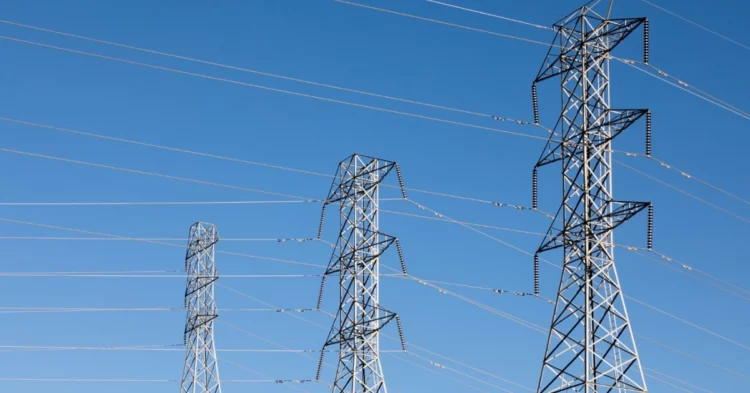
Canadian Prime Minister Mark Carney has unveiled one of the most ambitious infrastructure and energy transformation plans in the country’s history. The strategy, known as “Powering Canada Strong,” aims to dramatically expand Canada’s electricity system over the next 25 years and modernize the national grid to meet rising energy demands, economic growth, and climate goals.
The proposed transformation could cost more than $1 trillion by 2050 and would fundamentally change how electricity is generated, distributed, and consumed across Canada. At the center of the plan is a major effort to connect regional power systems through east-west electricity interties, allowing provinces to share power more efficiently instead of relying heavily on trade with the United States.
The announcement signals a major shift in Canada’s energy future at a time when industries, households, and transportation systems are rapidly moving toward electrification. From electric vehicles and artificial intelligence data centers to clean manufacturing and residential heating, electricity demand is expected to surge in the coming decades.
Carney described electrification as the key to affordability, competitiveness, and achieving net-zero emissions. His government believes the strategy can strengthen the national economy while positioning Canada as a global leader in clean energy development.
Why Canada’s Electricity Grid Needs a Major Overhaul
Canada’s electricity system has long been fragmented. While the country exports significant amounts of electricity to the United States, many Canadian provinces remain poorly connected to each other. This imbalance has created inefficiencies that become more visible as energy demand rises.
Several factors are now putting extraordinary pressure on the country’s existing power infrastructure.
Rising Demand from Artificial Intelligence and Data Centers
One of the fastest-growing sources of electricity demand is the rapid expansion of AI-powered data centers. As artificial intelligence technologies become more integrated into business operations, cloud computing, and digital services, massive data processing facilities require enormous amounts of electricity.
These facilities operate around the clock and consume far more energy than traditional commercial buildings. Industry experts predict that AI infrastructure could become one of the largest electricity consumers in North America over the next decade.
Canada hopes to attract more technology investment because of its cooler climate, political stability, and access to renewable energy. However, without significant upgrades to the grid, the country may struggle to meet future demand.
Electric Vehicle Adoption Continues to Accelerate
Electric vehicles are another major driver behind the strategy. Governments across Canada are encouraging consumers to switch away from gasoline-powered vehicles through rebates, regulations, and investments in charging infrastructure.
As millions of Canadians transition to EVs, electricity demand will continue climbing steadily. Charging networks, battery manufacturing facilities, and electric public transportation systems all require reliable access to affordable power.
The federal government sees electrification of transportation as critical to reducing emissions while strengthening domestic manufacturing industries tied to batteries and clean technologies.
Industrial Expansion Requires More Reliable Power
Canada’s industrial sector is also becoming increasingly dependent on electricity. Major industries such as mining, manufacturing, steel production, and clean hydrogen development are all expected to consume significantly more power in the years ahead.
Natural resource extraction projects, particularly those involving critical minerals used in battery production, are likely to place additional strain on provincial electricity systems.
Without new generation capacity and stronger transmission networks, economic growth could be limited by energy shortages or rising electricity prices.
The Vision Behind “Powering Canada Strong”
The “Powering Canada Strong” strategy focuses on expanding generation capacity while building stronger transmission connections between provinces and territories.
The government’s long-term goal is to double Canada’s electricity grid capacity by 2050. Achieving this would require one of the largest infrastructure buildouts in Canadian history.
East-West Electricity Interties
One of the strategy’s defining features is the creation of east-west electricity interties. These transmission connections would allow provinces to exchange electricity more efficiently and reduce dependence on imports from the United States.
Currently, some provinces generate excess clean electricity while others face shortages or rely more heavily on fossil fuels. Improved interconnections could help balance supply and demand nationwide.
Several projects are already being considered as priorities.
British Columbia and Yukon Connection
The federal government is exploring expanded transmission links between British Columbia and Yukon to improve northern energy reliability and support economic development in remote regions.
Atlantic Canada Energy Integration
Interconnections between Atlantic provinces are also expected to play a major role. Enhanced regional coordination could improve energy security while supporting renewable energy projects, including offshore wind developments.
Quebec and Newfoundland and Labrador
A stronger transmission relationship between Quebec and Newfoundland and Labrador could unlock additional hydroelectric potential and improve electricity distribution throughout eastern Canada.
Clean Energy Sources Will Dominate the Expansion
Although the strategy allows natural gas to remain part of the energy mix, the federal government insists that the majority of future investments will focus on clean electricity generation.
Hydropower Remains Central to Canada’s Energy Future
Hydroelectricity has historically been one of Canada’s greatest energy strengths. Provinces such as Quebec, British Columbia, Manitoba, and Newfoundland and Labrador already rely heavily on hydro generation.
The new strategy envisions large-scale expansion of hydropower projects to provide stable, long-term clean electricity.
Hydroelectric facilities offer several advantages, including low operating costs, reliable baseload power, and reduced greenhouse gas emissions compared to fossil fuels.
However, new hydro projects often face environmental concerns, lengthy approval processes, and complex negotiations with Indigenous communities.
Nuclear Energy Gains Renewed Momentum
Nuclear energy is expected to become another major pillar of Canada’s future electricity system.
Small modular reactors, commonly known as SMRs, are receiving growing attention because they can generate low-carbon electricity while requiring less land than large nuclear plants.
Several provinces are already exploring SMR development as a way to provide reliable electricity for industrial operations and remote communities.
The federal government views nuclear energy as an essential complement to renewable sources such as wind and solar, which can be intermittent depending on weather conditions.
Wind and Solar Investments Continue to Expand
Renewable energy development remains a core part of the strategy. Wind and solar projects are expected to expand rapidly as costs continue falling and technology improves.
Large renewable projects could help provinces reduce emissions while creating construction and maintenance jobs across rural communities.
Battery storage systems and modern grid management technologies will also become increasingly important for balancing renewable energy production.
Natural Gas Still Has a Role in the Transition
One of the more controversial elements of the strategy is its decision to maintain a larger role for natural gas than previously expected.
The Liberal government under former Prime Minister Justin Trudeau had finalized Clean Electricity Regulations in 2024 that placed stricter limits on fossil fuel use.
Under Carney’s revised approach, the regulations will be amended to provide greater flexibility for utilities to offset residual emissions while continuing to use natural gas when necessary.
Supporters argue this flexibility is needed to maintain grid reliability during periods of high demand or renewable energy shortfalls.
Critics, however, warn that extending the use of natural gas could slow Canada’s transition away from fossil fuels and complicate climate targets.
Carney has defended the decision by emphasizing that natural gas investments will remain far smaller than planned investments in hydropower, nuclear energy, and renewables.
Canada’s Electricity Production Challenges
Despite growing demand for electricity, Canada has experienced several challenges in maintaining and expanding power generation.
Declining Electricity Generation
Total electricity generation in Canada has fallen in recent years. Several factors have contributed to this decline.
Coal-fired power plants have been retired as part of efforts to reduce emissions. At the same time, drought conditions have reduced hydroelectric output in multiple provinces.
Hydropower systems depend heavily on water availability, making them vulnerable to climate-related weather changes.
These pressures have forced utilities to seek alternative energy sources while increasing electricity imports from the United States.
Growing Dependence on US Electricity Imports
According to the Canada Energy Regulator, electricity imports from the United States have increased every year since 2020.
This trend has raised concerns among policymakers who believe Canada should strengthen domestic transmission systems rather than relying so heavily on cross-border electricity trade.
The new strategy seeks to reverse that trend by improving internal energy sharing between provinces.
Massive Job Creation Could Transform Canada’s Workforce
One of the most significant economic promises tied to the strategy is job creation.
The government estimates that more than 130,000 new skilled workers will be needed to support the electricity transformation by 2050.
These jobs would span multiple sectors, including:
Construction and Infrastructure
Thousands of workers will be needed to build transmission lines, substations, generating facilities, and energy storage systems.
Engineering and Technology
Electrical engineers, software specialists, grid operators, and AI energy management experts will play critical roles in designing and maintaining modernized systems.
Skilled Trades
Electricians, welders, heavy equipment operators, and other skilled tradespeople are expected to see rising demand across the country.
Clean Energy Manufacturing
Canada also hopes to expand domestic manufacturing tied to renewable energy equipment, battery systems, and nuclear technology components.
The government believes these investments could strengthen long-term economic competitiveness while creating stable middle-class employment opportunities.
Funding Questions Still Remain
Despite the scale of the announcement, the federal government has not yet provided detailed information about how much direct public funding will be committed.
The strategy references several financial tools, including investment tax credits and support for energy-saving retrofits in up to one million households.
However, there are still major unanswered questions surrounding infrastructure financing.
Tax Credits Could Drive Private Investment
Officials are expected to rely heavily on clean electricity investment tax credits to encourage private-sector participation.
These incentives could reduce the cost of building renewable energy projects and transmission infrastructure.
No Immediate New Funding for Transmission Projects
Reports indicate that no significant new funding has yet been allocated specifically for transmission construction projects.
Instead, Ottawa may attempt to expand existing programs and coordinate with provincial governments and private investors.
Fast-Tracking National Interest Projects
The federal government is also considering using the Build Canada Act to fast-track major electricity interconnection projects deemed to be in the national interest.
This approach could streamline regulatory approvals and reduce delays that often slow large infrastructure developments.
Critics Raise Concerns About Ambiguity
While many industry experts welcomed the strategy, some organizations expressed concerns about missing details and implementation risks.
The Canadian Climate Institute said the strategy appears to move in the right direction but still leaves several important issues unresolved.
Analysts argue that success will ultimately depend on how quickly governments can move from broad announcements to concrete action.
Transmission projects often face years of regulatory reviews, political negotiations, and local opposition.
Without faster approvals and clear financing plans, critics fear progress could stall.
Political Opposition Emerges
Conservative Leader Pierre Poilievre dismissed the announcement as a continuation of previous Liberal energy policies.
He argued that Liberal policies over the past decade have already contributed to higher electricity costs for Canadians.
The political debate surrounding affordability is likely to intensify as the government develops the plan further.
Supporters of the strategy argue that modernizing the grid will reduce long-term costs and improve energy security.
Opponents warn that large infrastructure spending and regulatory changes could increase electricity prices in the short term.
Indigenous and Provincial Collaboration Will Be Essential
Carney’s government plans to launch consultations with provinces, territories, Indigenous Peoples, utilities, and labor unions in the coming months.
This collaboration will be critical because electricity systems in Canada are largely controlled at the provincial level.
Indigenous communities are also expected to play an increasingly important role in clean energy development, transmission projects, and resource partnerships.
Many large energy projects cannot proceed without Indigenous consultation and participation.
Building strong partnerships may determine whether the strategy can move forward efficiently.
Canada’s Energy Future Enters a Defining Era
The “Powering Canada Strong” strategy represents far more than an infrastructure plan. It reflects a broader transformation in how Canada intends to power its economy, compete globally, and address climate change over the next several decades.
The country now faces a complex balancing act between affordability, reliability, environmental responsibility, and economic growth.