
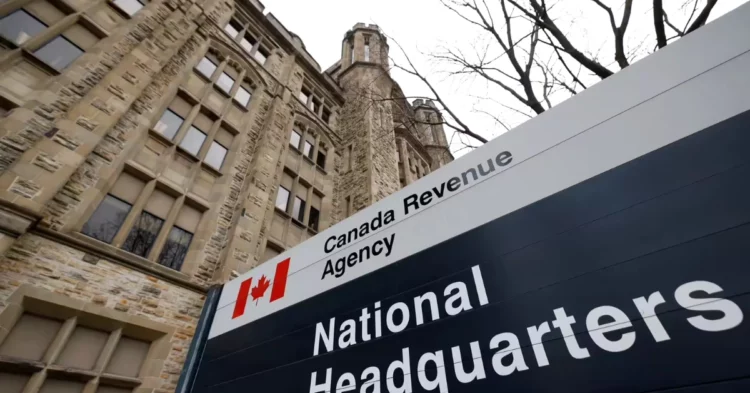
A major cyber fraud investigation in Canada has led to criminal charges against eight individuals from Ottawa, Gatineau, and Montreal. The case centers on alleged attempts to exploit the Canada Emergency Response Benefit (CERB), a large-scale pandemic relief program created to support Canadians during the COVID-19 crisis in 2020.
According to the Royal Canadian Mounted Police (RCMP), the scheme involved coordinated cyber intrusion tactics, identity theft, and unauthorized access to Canada Revenue Agency (CRA) accounts. Investigators say the suspects manipulated personal and banking information to divert government benefit payments into accounts under their control.
The case highlights not only the vulnerability of emergency digital systems deployed during crisis conditions but also the growing sophistication of cybercrime networks targeting public funds.
The Canada Emergency Response Benefit and Its Rapid Deployment
Emergency Financial Support During a National Crisis
The CERB program was introduced in March 2020 as Canada’s immediate response to widespread job losses caused by the COVID-19 pandemic. Millions of Canadians suddenly found themselves without income due to business closures, lockdowns, and reduced economic activity.
The program provided direct monthly payments to eligible individuals to help cover essential living expenses such as rent, food, and utilities. Its speed of deployment was unprecedented in Canadian public policy.
An Attestation-Based System Designed for Speed
To ensure rapid access, CERB applications relied on an attestation-based system. Applicants were required to confirm eligibility themselves through online CRA accounts without extensive upfront verification.
While this approach allowed funds to reach people quickly, it also created opportunities for misuse. Verification processes were often conducted after payments were issued, meaning fraudulent claims could initially go undetected.
This balance between urgency and oversight became a key factor in later investigations into CERB-related fraud cases.
How the Alleged Cyber Fraud Scheme Operated
Exploiting Digital Access Points
According to the RCMP investigation, the suspects allegedly exploited vulnerabilities in online CRA accounts by gaining unauthorized access to personal taxpayer information. Once inside the accounts, they reportedly altered banking details to redirect CERB payments.
The method relied heavily on identity theft. Personal data of Canadians was allegedly used to impersonate legitimate beneficiaries, allowing fraudsters to pass through initial system checks.
Coordinated Identity Theft Network
Authorities describe the operation as a “sophisticated fraud scheme” involving coordinated efforts among multiple individuals. Rather than isolated incidents, the fraud appears to have been organized, with participants allegedly sharing responsibilities such as:
Collecting or obtaining personal identity data
Accessing compromised CRA accounts
Changing banking information linked to benefit recipients
Withdrawing or transferring funds once payments were deposited
This structure suggests a level of planning that goes beyond opportunistic fraud, pointing instead to a networked cybercrime operation.
Redirection of Government Funds
One of the central tactics involved altering direct deposit information within CRA profiles. Once banking details were changed, CERB payments intended for legitimate recipients were rerouted into accounts controlled by the suspects.
Authorities believe approximately 364,000 dollars in government funds were diverted through these methods.
Although this figure is significantly smaller than the overall CERB program expenditures, investigators emphasize that the case represents a broader risk to public financial systems during emergency rollout periods.
The RCMP Investigation and Cybercrime Response
Launch of the Investigation
The investigation began in August 2020 after irregularities were detected following large-scale CERB disbursements. The RCMP’s International Anti-Corruption Team and Cybercrime Investigative Team jointly took on the case, reflecting its complexity and cross-jurisdictional nature.
Officials reported that a cyberattack on the CRA’s online portal triggered deeper scrutiny into account security and transaction anomalies.
Complexity of Modern Cyber Fraud Cases
Law enforcement agencies noted that cases of this nature are often difficult to resolve due to several factors:
The use of anonymized digital tools and networks
Cross-border movement of data and funds
Rapid changes in online identity information
Coordinated involvement of multiple suspects
An RCMP spokesperson emphasized that such crimes often transcend geographic boundaries, requiring specialized investigative methods and collaboration between cybercrime units.
Long-Term Digital Forensics Work
The investigation spanned several years, involving digital forensics, financial tracking, and account access analysis. Investigators had to reconstruct timelines of unauthorized logins, banking changes, and payment transfers.
This type of forensic work is time-intensive, particularly when dealing with large-scale government systems processing millions of transactions.
Individuals Charged in the Case
Eight individuals now face criminal charges in connection with the alleged fraud scheme. All are from Quebec and Ontario, primarily based in Montreal, Gatineau, and Ottawa.
The accused are:
Paul Harry Jayme, 39, Montreal
Houssame Bennouna, 26, Montreal
David Richard Thran, 25, Ottawa
Louis Henri Dacoury-Tabley, 29, Montreal
Kouakou Ange Patrick Elliams Kouassi, 31, Gatineau, Quebec
Lagaud Paul Andre Bouabre, 26, Gatineau, Quebec
Mory Ismael Toure, 36, Gatineau, Quebec
Jospin Berol Mougang-Tionjock, 28, Montreal
All eight individuals are charged with fraud over 5,000 dollars. In addition, several of the accused face charges related to possession of identity information with intent to commit an indictable offence.
If convicted, these charges carry serious legal consequences under Canadian law, including potential imprisonment and financial restitution.
Financial Impact on Government Emergency Programs
CERB and Total Benefit Distribution
The Canada Revenue Agency distributed approximately 83.5 billion dollars in COVID-19 emergency benefits across multiple programs. CERB alone accounted for 45.3 billion dollars in direct payments to Canadians.
These programs were designed to stabilize household incomes during a period of extreme economic uncertainty.
Outstanding Debt and Recovery Efforts
As of December 2025, the CRA reported that more than 10.35 billion dollars in COVID-19-related benefit payments remain outstanding. This includes overpayments, ineligible claims, and cases under investigation.
Beginning in 2023, the agency started issuing recovery letters to individuals identified as owing repayment. These letters notified recipients of outstanding balances and outlined repayment expectations.
According to CRA statements, the attestation-based system was necessary to ensure rapid delivery of funds, but it also meant that eligibility verification would occur after distribution.
Cybersecurity Weaknesses Exposed by the Case
Rapid Digital Program Deployment Risks
The CERB fraud case highlights a key challenge in modern governance: balancing speed with security. Emergency programs often require immediate implementation, leaving limited time for robust fraud prevention systems.
This case demonstrates how attackers can exploit:
Weak identity verification at scale
Delayed auditing mechanisms
User account credential vulnerabilities
Insufficient real-time fraud detection systems
Identity Theft as a Central Threat
Identity theft remains one of the most damaging tools in cyber fraud operations. Once personal information is compromised, criminals can access financial systems, government services, and banking platforms with relative ease.
The RCMP investigation reinforces how identity data can be weaponized to bypass security measures in government systems.
Government and CRA Response to Cyber Fraud
Commitment to Security and Enforcement
The CRA has consistently stated that it maintains a zero-tolerance policy toward fraud targeting government programs. Agency officials emphasized ongoing cooperation with law enforcement to detect and disrupt cyber threats.
A CRA security spokesperson reiterated that fraud against public funds is not a victimless crime and that offenders will be held accountable.
Strengthening Digital Defenses
In response to rising cyber threats, Canadian authorities have increased investment in cybersecurity infrastructure, including:
Enhanced monitoring of CRA accounts
Improved identity verification protocols
Collaboration with cybercrime units and intelligence teams
Use of advanced fraud detection technologies
These measures aim to reduce vulnerabilities in future digital benefit distribution systems.
Broader Implications for Digital Governance
Lessons for Emergency Policy Design
The CERB fraud case underscores the importance of designing emergency programs that balance accessibility with safeguards. While rapid financial assistance was essential during the pandemic, the lack of upfront verification created exploitable gaps.
Future emergency response frameworks may require hybrid models that combine speed with stronger real-time authentication tools.
The Growing Sophistication of Cybercrime
Cybercrime is increasingly organized, technically advanced, and financially motivated. This case reflects a broader trend where criminal networks use coordinated strategies to exploit public systems.
Authorities worldwide are facing similar challenges as government services become more digitized.
Conclusion
The charges against eight individuals in Ottawa, Gatineau, and Montreal mark a significant development in Canada’s ongoing efforts to address cyber fraud tied to pandemic relief programs. The investigation reveals how digital vulnerabilities, identity theft, and coordinated criminal activity can intersect to exploit large-scale public benefit systems.
While the total financial loss in this case is estimated at 364,000 dollars, the broader implications extend far beyond the immediate figures. The incident highlights the need for stronger cybersecurity measures, improved identity verification systems, and continuous monitoring of government digital infrastructure.